


Poke and Hawai‘i are pretty much synonymous with each other.
“Poke is very unique to Hawai‘i,” says Hawaiian culturalist Earl Regidor in the trailer for “The Story of Poke,” a documentary that debuts Sunday, April 12, on Spectrum OC16 Channel 16. “Poke was a part of who we are as Hawaiians.”
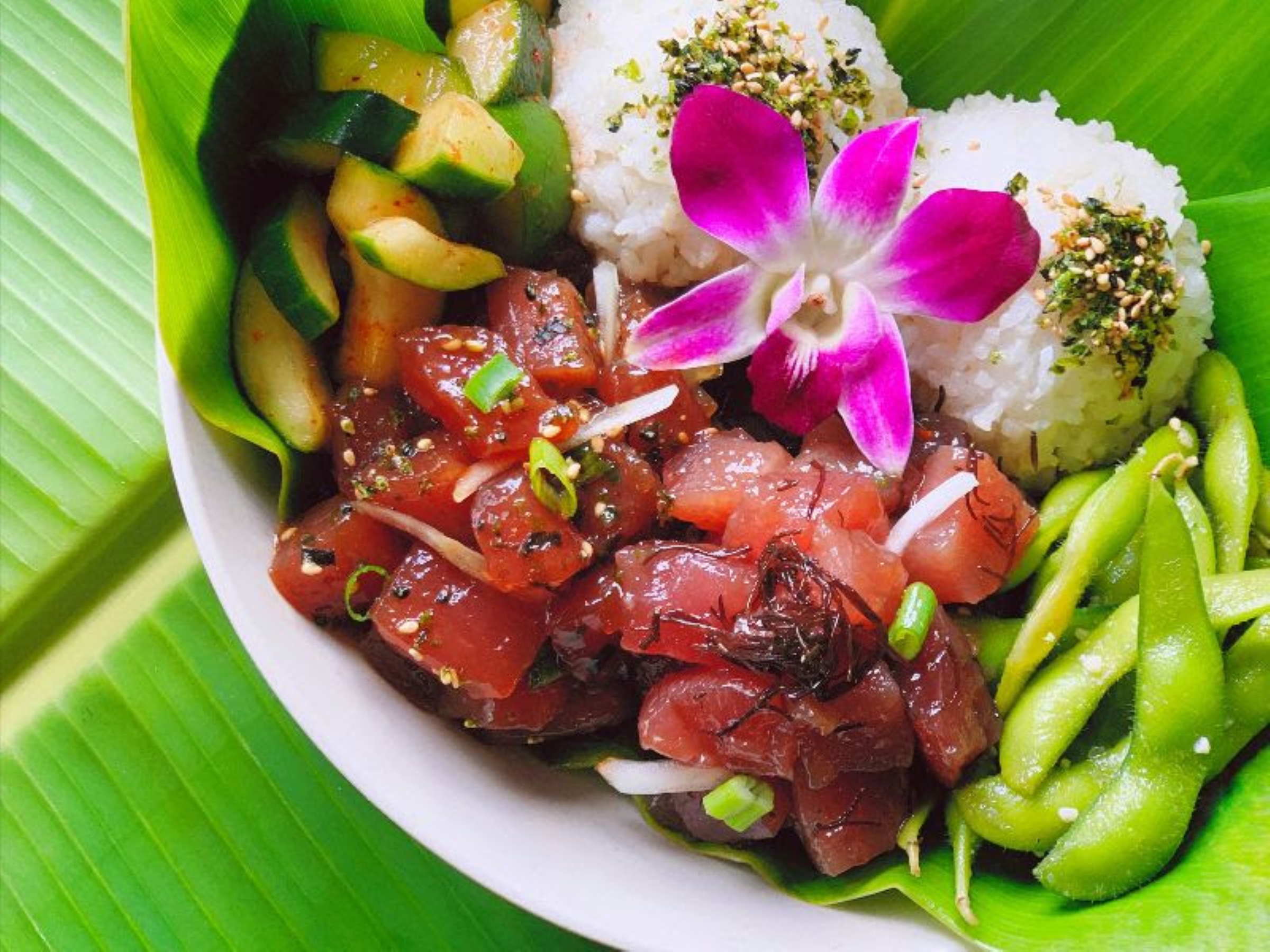
The 30-minute documentary is all about the classic Hawaiian dish now made with raw fish and other fixings in hundreds of different combinations, if not more.
It tells the story of poke’s past, present and future as well as how it became a worldwide culinary sensation.
First chance to catch “The Story of Poke” on Channel 16 is 7:30 p.m. Sunday, April 12.
It features insight from Regidor and several others such as Chef Sam Choy, Renaissance man Dale Kabei and restauranteur Nakoa Pabre.
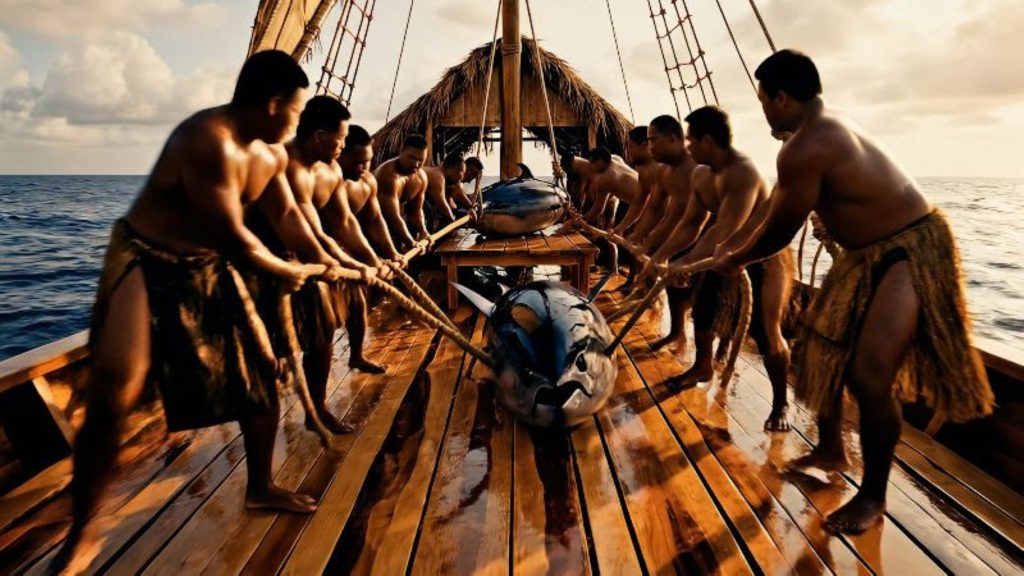
Choy says in the trailer that for the people who would eventually create this place called Hawai‘i, the Pacific Ocean was their highway.
“We are canoe people. We are the water people, and they had to make sure they had enough provisions to make this trip,” Regidor says.
“So they had a lot of fish,” Choy added. “Either they dried it or they ate it poke, raw.”
But poke then was nothing like it is now.
Restauranteur Pabre said poke was just the scraps of fish — you know, cuts or slices. That’s actually where it gets its name.
“Poke,” in ʻŌlelo Hawaiʻi, or Hawaiian language, means “to slice” or “cut crosswise into pieces.”
It was often reef fish such as nenue, or the Hawaiian chub; heʻe, or the indigenous reef octopus; opihi, a small Hawaiian shellfish; among others — it wasn’t tuna.
Poke has since evolved in so many ways.
“Hawai’i is just a blend of so many cultures that everybody will make it different, yeah,” says Kabei in the trailer.
Choy’s first introduction to classic Hawaiian raw fish dish was through a bunch of island fishermen on the North Shore of Oʻahu. The fishermen would throw a net out from the shoreline near an old boathouse and catch moi liʻi, baby Hawaiian moi, or Pacific threadfin.
Those fishermen offered the now-famous chef the chance to eat some of their catch poke-style.
“That was the first time I had my first bite of raw fish, and I tell you what, it was like the love at first bite,” Choy says in the trailer.
People can now be found grinding on poke well beyond Hawai’i’s shores, around the globe. It has become another ambassador for the islands and aloha.
“It’s so versatile,” says a fisherman in “The Story of Poke” trailer. “You know, you can eat it just plain, you can put Hawaiian salt, some shoyu — people do mayonnaise and make sriracha style. I mean, there’s hundreds of different options. You can eat it with tacos, you can eat it with chips — there’s just no end.”
In case you can’t make the Sunday, April 12, debut, there are several other times before the end of the month you can see the documentary on TV.
Additional April airtimes on Spectrum OC16 Channel 16
- 6:30 p.m. Saturday, April 18.
- 4:30 p.m. Tuesday, April 21.
- 10:30 a.m. Sunday, April 26.
Don’t miss this documentary to learn more about the special Hawaiian dish that has become so much more than just the raw fish inside.
 Courtesy Image: Farish Media
- Courtesy Image: Farish Media