


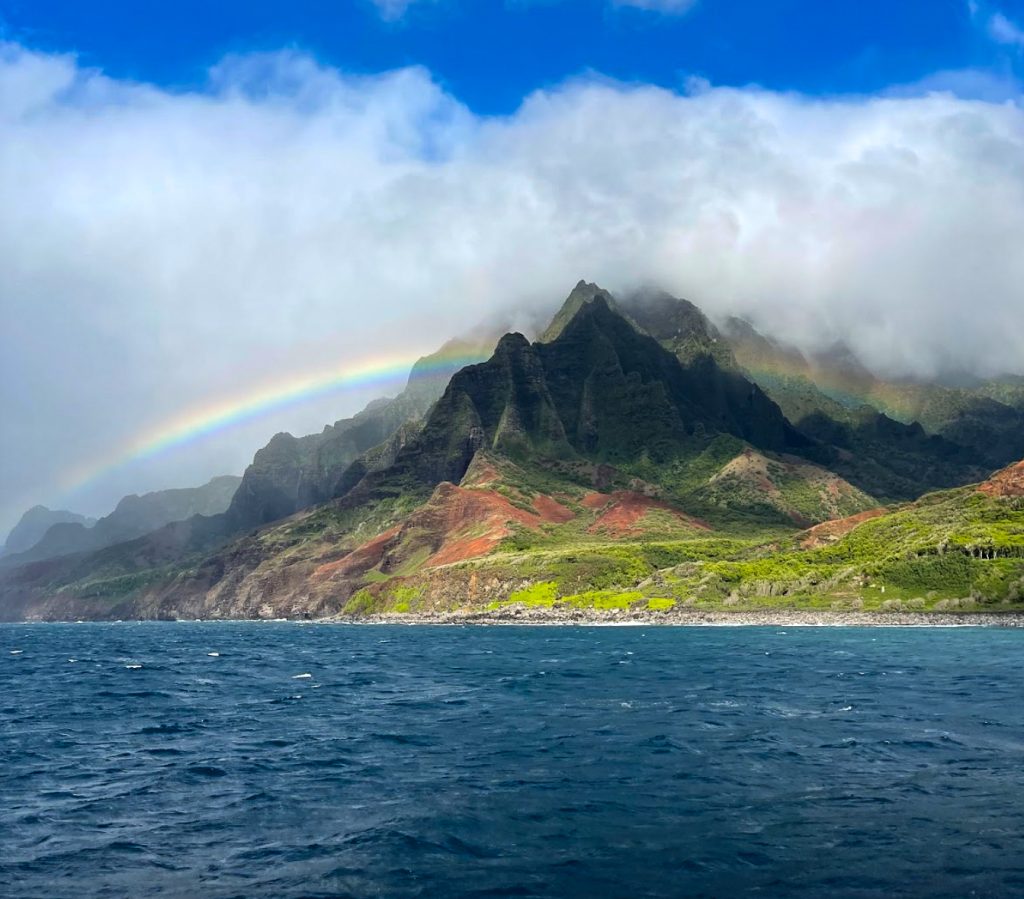
When the rains come to Kaua‘i’s Nāpali Coast, the island doesn’t retreat; it reveals. The dramatic cliffs and ridgelines of this world-famous coastline transform after a storm, shedding mist, streaming with temporary waterfalls, and glowing in renewed shades of green. For those lucky enough to witness it, post-rain Nāpali is a stunning and humbling reminder of nature’s power and artistry.
Visual magic in the rain’s wake
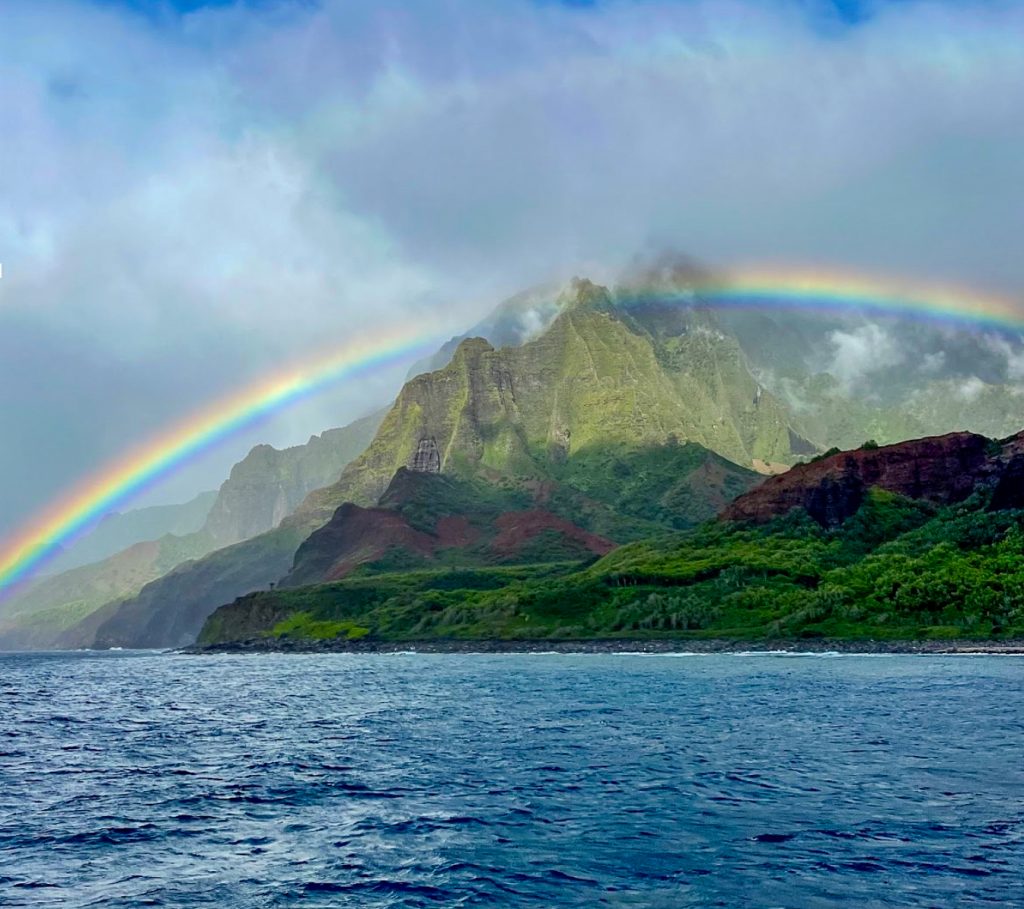
Few sights compare to watching mist rise from the emerald cliffs of the Nāpali Coast after a tropical shower. Sunlight filtering through moisture-laden air creates rainbows over the ocean, and the jagged spires of the pali (cliffs) become even more sculptural when draped in clouds.
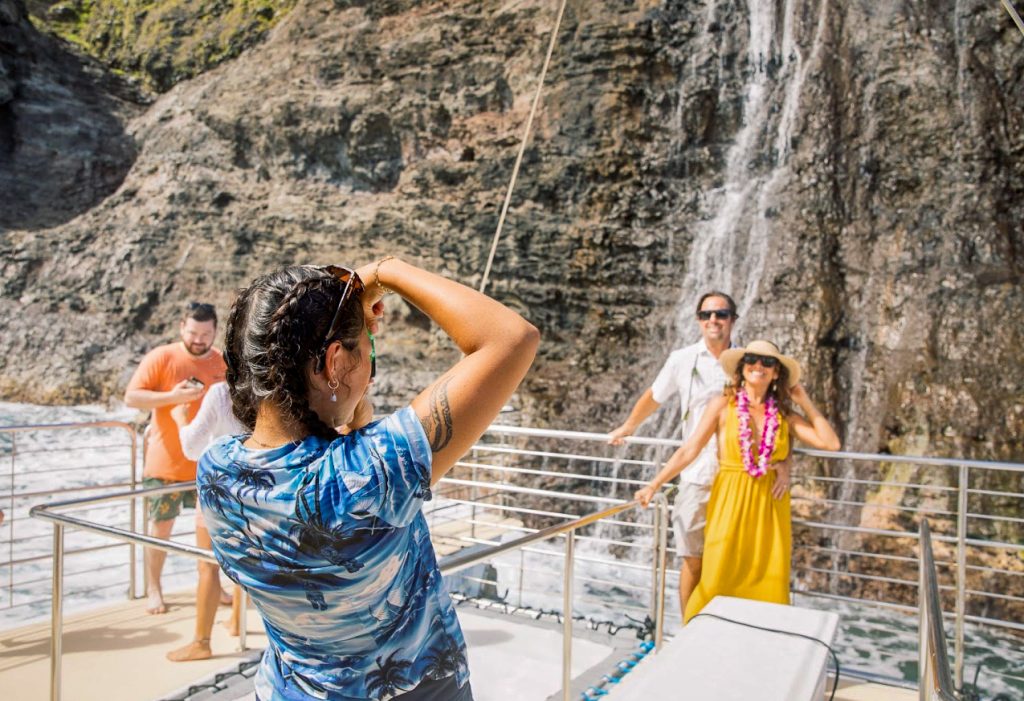
But perhaps the most dramatic transformation comes in the form of ephemeral waterfalls, when hundreds of silvery threads pour from otherwise hidden crevices. These temporary falls can last for just hours or a couple of days.
Photographers, hikers and boaters often describe this moment as otherworldly. If you’re lucky enough to be on a boat tour or hike during this time, be ready with your camera and your full attention. It’s a scene best experienced, not just captured.
The Emerald Isle
Kaua‘i is known as the “Emerald Isle” for its incredible greenery fed by an average annual rainfall of upwards of 400 inches in interior areas.
The Nāpali Coast is reborn with the rain that feeds the cascading waterfalls and keeps the valleys lush with greenery.
Witnessing the coast after a downpour is like stepping into a living painting, one that shifts and surprises with every moment. Just remember: while it’s beautiful, never forget that nature makes the rules, so travel with respect, preparation and gratitude.
Understanding Kaua‘i’s microclimates
The rapid shift in scenery is due to Kaua‘i’s unique microclimates. According to the University of Hawai‘i’s Geography Department and the State of Hawai‘i’s Climate Office, Kaua‘i holds some of the highest rainfall records in the world, particularly in areas like Mt. Waiʻaleʻale, just inland from the Nāpali Coast.
These varied elevations and windward exposures create extreme local contrasts. It may be dry in Poʻipū while Hanalei is seeing steady rain, and the Nāpali Coast can swing from sun to squall and back in the same afternoon. This variability is what fuels the lush beauty of Nāpali, but it also requires a healthy respect from those exploring the area.
Safety first: What rain means for hikers and boaters
The beauty of a post-storm landscape comes with important safety considerations:
- Trail hazards: Hikes like Kalalau and Hanakāpī‘ai can become slippery, eroded or even impassable after heavy rain. Flash flooding is a real and serious risk in valleys and along rivers.
- Stream crossings: The State of Hawai‘i’s Department of Land and Natural Resources strongly advises against crossing swollen streams and highlights that even shallow crossings can become dangerous within minutes of upstream rainfall.
- Boat tours: Reputable tour operators monitor marine weather conditions closely. If you’re planning a post-storm trip, check with your provider. Some may cancel or reschedule for safety.
Always research before any planned hiking trips to make sure you’re using the most up-to-date information on weather and possible closures. Visit Kaua’i’s Department of Land & Resources website for current information.
When is the best time to see waterfalls?
While the Nāpali Coast is spectacular year-round, winter months (November through March) typically bring more rain, and more waterfalls. This also coincides with humpback whale season, offering an unforgettable combination of land and sea wonders.
Boaters often recommend heading out a day or two after a major rain, when skies begin to clear but the waterfalls are still active. This is when the landscape is at its most expressive, and when you’ll get the full sensory experience: mist, light, movement and awe.
Tips for exploring after it rains
- Check conditions before hiking or boating (via Kaua’i Weather, NOAA, DLNR or your tour provider).
- Pack appropriately: Bring extra water, waterproof gear, and non-slip footwear.
- Respect closures and warnings: They’re there for your safety.
- Bring binoculars or a long lens for spotting waterfalls and wildlife from a distance.
Awe and awareness: Exploring with respect and readiness
Whether you’re hiking high above the coast or cruising below its towering cliffs, remember that awe and awareness go hand in hand.
Nāpali’s post-rain beauty is powerful, unpredictable and entirely at the mercy of nature’s rhythms. By preparing thoughtfully, staying updated on conditions, and honoring both posted guidelines and the ʻāina itself, you’ll not only stay safe, but you’ll deepen your connection to one of Hawai‘i’s most treasured landscapes.