


Hawaiʻi Department of Land and Natural Resources Division of Aquatic Resources alerts the community to the presence of an invasive algae species recently detected along Kauaʻi’s South Shore.
Officials are now asking ocean users, especially boaters and fishers, to help prevent the invasive algae’s further spread and report areas where they spot it.
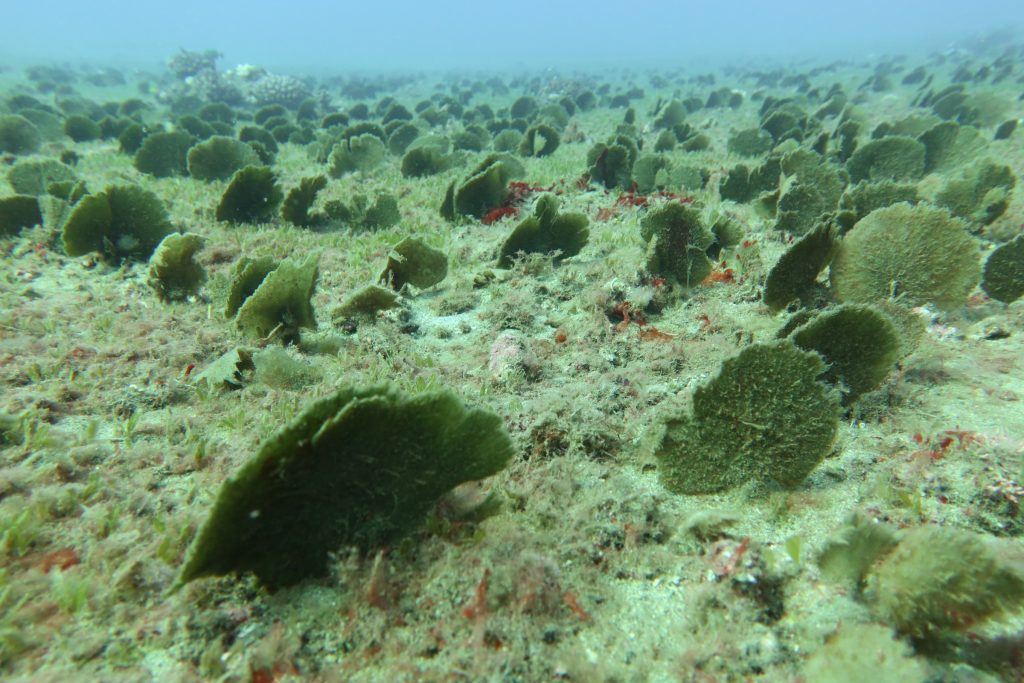
Avrainvillea erecta (pronounced “Aver-en-veel-ia e-rec-ta”) was discovered in 2025 on Kauaʻi.
While the species was previously documented elsewhere in Hawaiʻi, its confirmed presence along the south coast of the Garden Isle raises concerns about its potential to spread and impact native marine ecosystems.
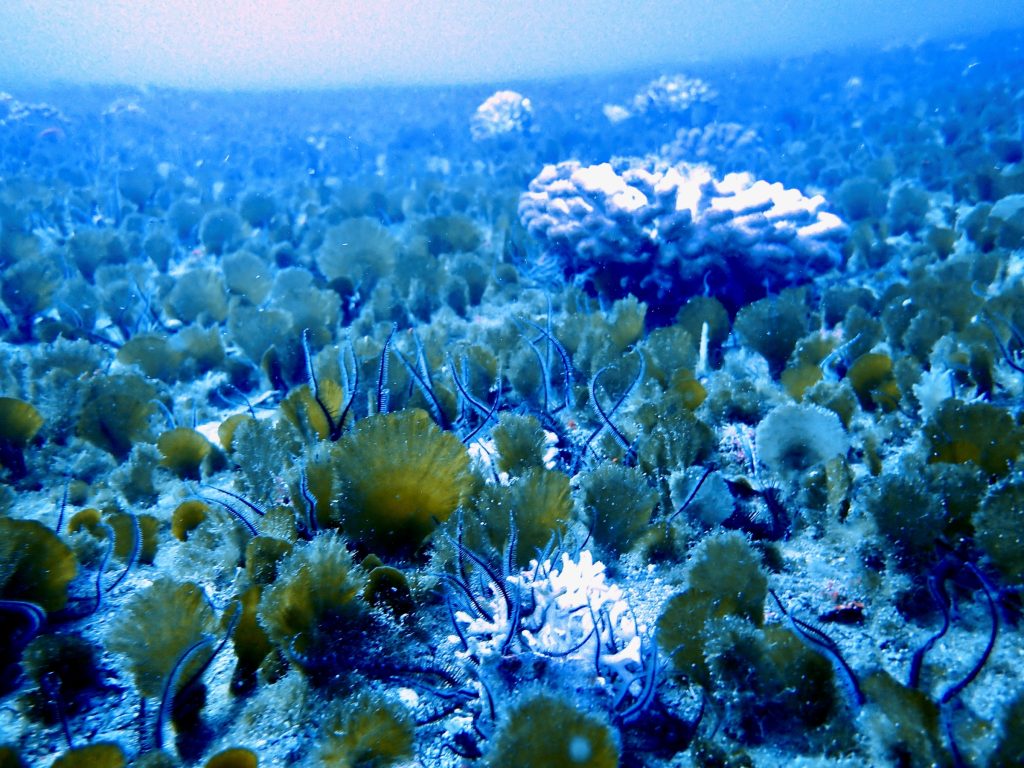
Avrainvillea erecta is a large green algae that inhabits the sandy seafloor at depths of about 60 feet, with observations on Kauaʻi ranging down to 120 feet and likely deeper.
It is characterized by a distinctive single, fan-like blade that extends upward from a long stalk anchored several inches into the sand.
The algae can form thick meadows in dense patches that trap sediment, alter sandy habitats and potentially outcompete native species.
Because it grows in deeper sandy areas, it could go unnoticed by many ocean users.
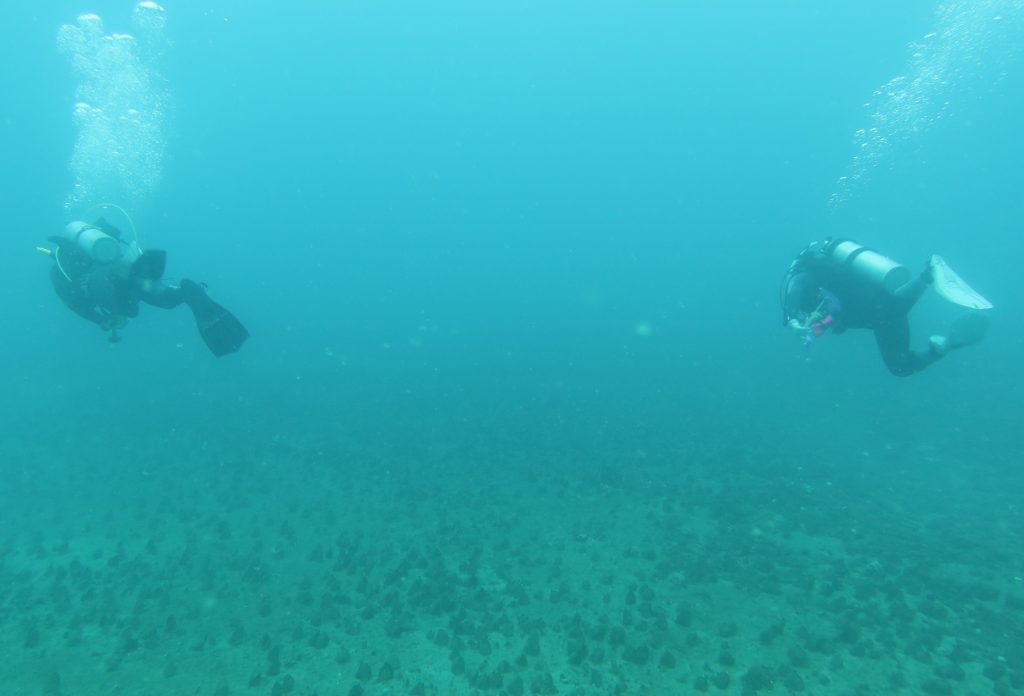
Division of Aquatic Resources Aquatic Invasive Species team members conducted surveys in October 2025 at known and suspected locations, confirming Avrainvillea erecta from Kaumakani in Lāwai Kai to Spouting Horn and offshore of Kōloa Landing to Kiahuna Beach in Poʻipū.
Survey results documented patch densities ranging from sparse to dense, with some areas exceeding 80% cover. It is unclear whether these patches are connected or represent separate introductions at this time.
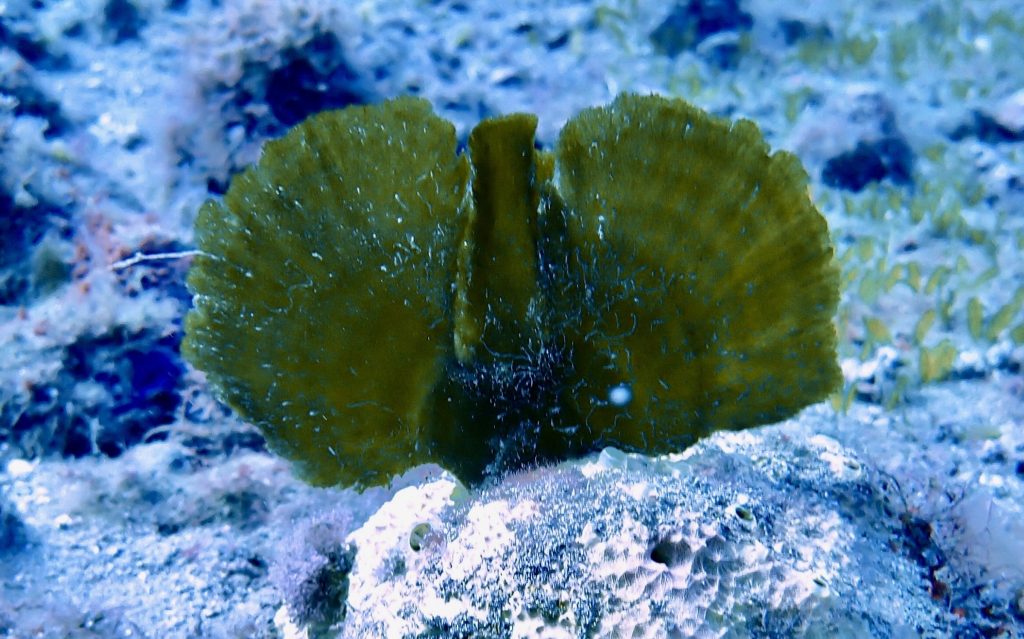
One of the primary concerns with this invasive algae is its ability to spread through anchoring activity.
Anchors and anchor lines can snag blades or fragments of the algae, and even a small dried piece left on an anchor can be enough to introduce the species to a new location.
Circular patch patterns observed at Kaumakani suggest anchoring could already be contributing to its distribution.
Division of Aquatic Resources asks ocean users to help prevent further spread by avoiding anchoring in areas where Avrainvillea erecta is known to occur, particularly in deeper sandy habitats.
Anchors and anchor lines should be thoroughly cleaned and inspected after use and sanitized with spray alcohol or a diluted bleach solution before moving to another site if anchoring is unavoidable.
Be careful not to rinse any algae material on anchors or chains back into the ocean.
One simple method is to place the anchor and chain into a 5-gallon bucket or similar container to collect any water and algae material while cleaning. The collected rinse water or cleaning solution should be disposed of on land and not poured back into the ocean or harbor.
Report suspected sightings via email at dar.ais@hawaii.gov and include information about location and depth. Photos are strongly encouraged to confirm species identification.
Early detection of new locations is important for limiting the spread of Avrainvillea erecta.
While some areas along Kauaʻi’s South Shore now contain established patches, reporting new sightings in other locations could allow Division of Aquatic Resources to respond quickly and remove small, localized patches before they become widespread.
Taking action now can help suppress this invasive algae and protect Kauaʻi’s nearshore marine ecosystems.
 Courtesy Photo: Hawaiʻi Department of Land and Natural Resources)
- Courtesy Photo: Hawaiʻi Department of Land and Natural Resources)