



Wildlife biologists at Pacific Missile Range Facility Barking Sands once again worked alongside community partners to promote the long-term protection of native Hawaiian Laysan albatross that find their way to the U.S. Navy facility and attempt to nest.
Albatross-proofing the U.S. Navy installation on the west coast of Kaua‘i near Kekaha is conducted through the Laysan Albatross Translocation Program.
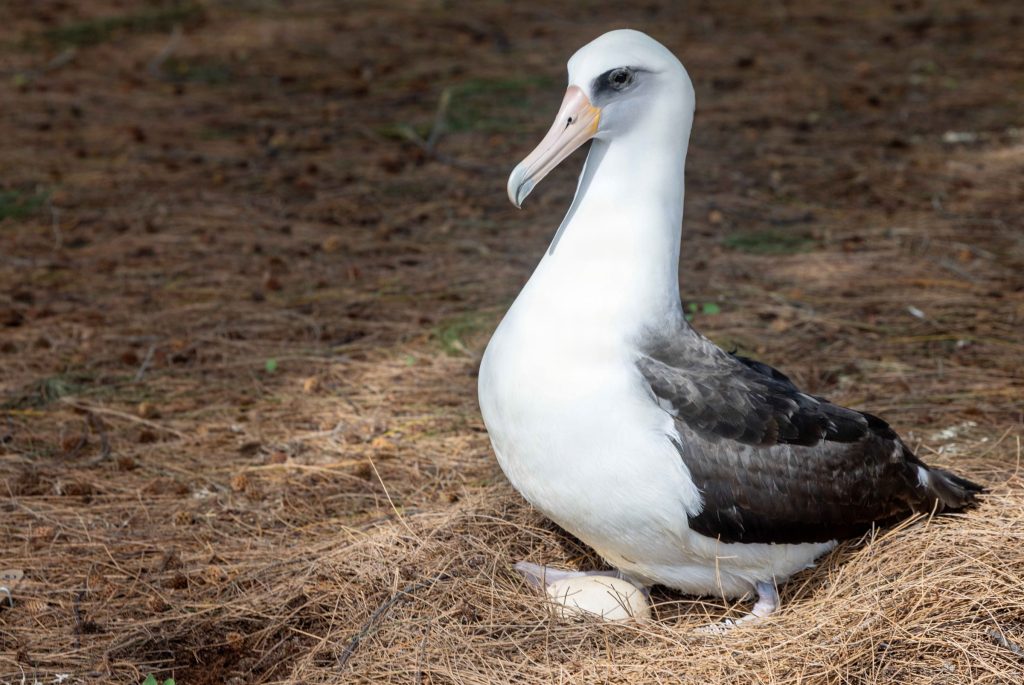
The large body and wide wingspan of the birds can pose a serious threat to pilots and the birds themselves when nesting and flying in airspace surrounding the U.S. Navy installation’s airfield.
U.S. Department of Agriculture Wildlife Services biologist Tessa Broholm conducts roves near the Pacific Missile Range Facility airfield on the lookout for birds that might wander into possibly hazardous areas.
Broholm said while training sailors for the relocation program that often just having a strong presence in their immediate area is enough encouragement for the birds to change course and head toward safer grounds.
“Albatross can live for over 70 years and they usually return to the area where they hatched when it is time for them to nest,” said Broholm in a release from Pacific Missile Range Facility about the albatross relocation program. “This makes it particularly challenging to implement long-term solutions to encourage the birds to nest in safer areas once they’ve already chosen a place to nest”
U.S. Department of Agriculture Wildlife Services does daily searches for albatross eggs on the airfield and other potentially hazardous areas of the facility as part of the Laysan Albatross Translocation Program.
The agency coordinates with team members from Pacific Missile Range Facility Natural Resources to conduct two installationwide sweeps each year.
Albatross naturally form an attachment to their nest rather than their egg, so biologists are able to swap eggs found on the West Kaua‘i installation with known infertile eggs from other sites without alarming the parents.
This swap helps reduce the number of albatross nesting in hazardous locations while bolstering the population of safer colony sites around the island.
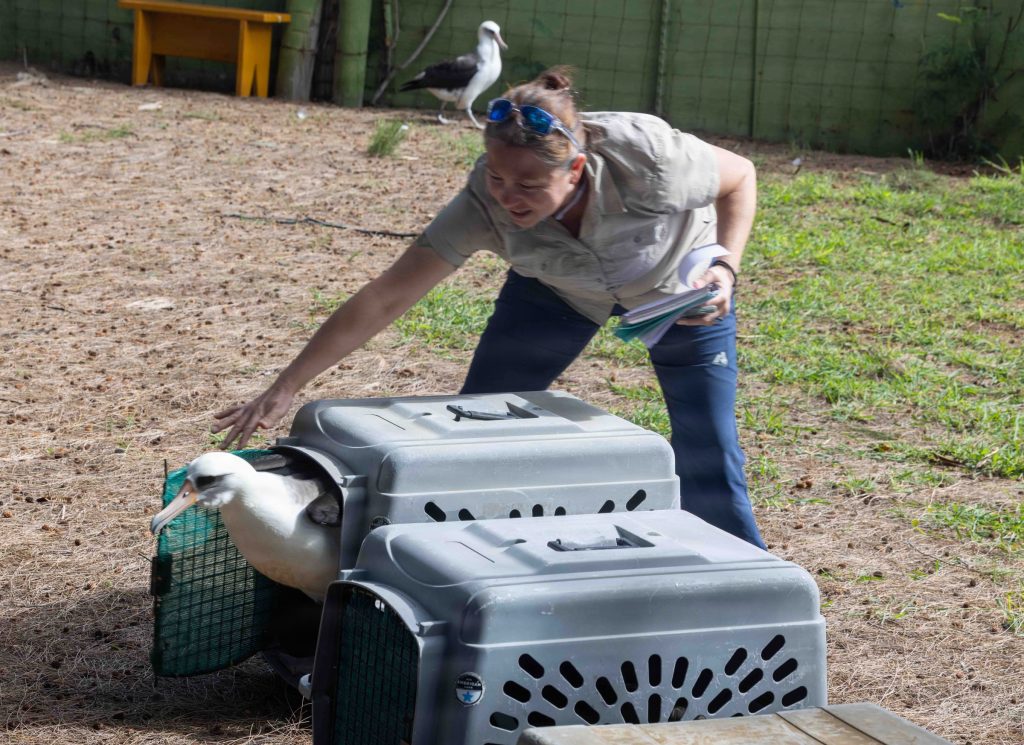
Curious albatross not yet settled down to nest for the first time often visit Pacific Missile Range Facility to scout out the base for potential breeding sites, making them prime candidates to be relocated — this year through the program — to colonies on the North Shore.
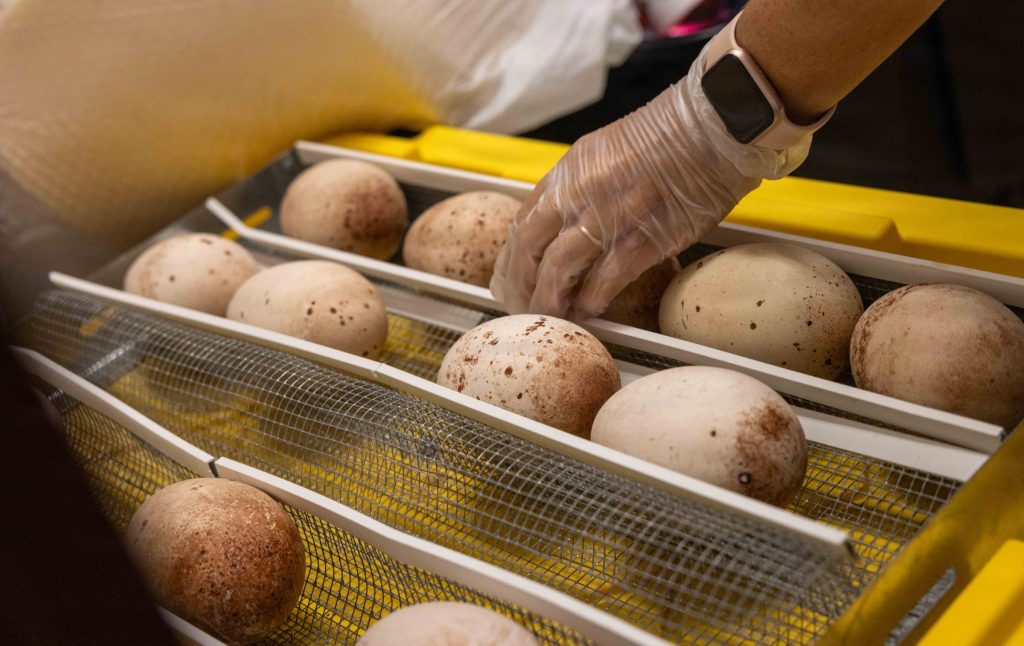
Fertile eggs collected at Pacific Missile Range Facility are labeled and placed into an incubator aimed at mimicking the conditions an egg would experience in the nest.
The machine is set to a specific temperature and humidity with a gentle back and forth motion to allow the albatross chick developing inside to continue growing while waiting to be transported to their new nests.
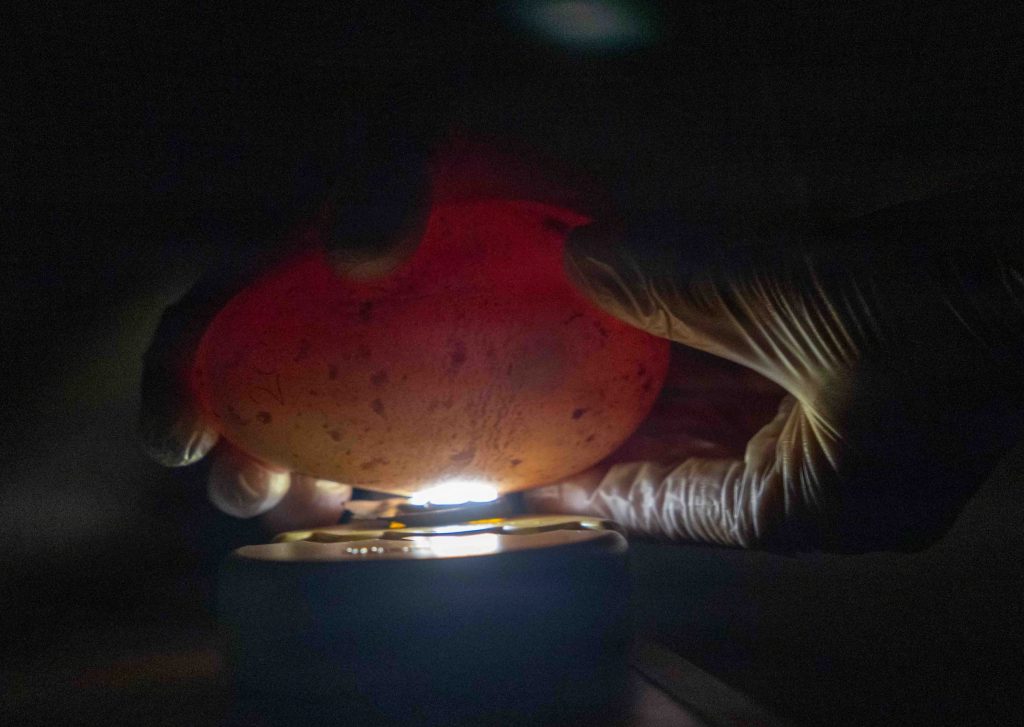
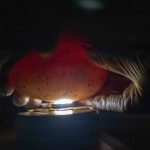
Team members check the egg’s viability during the intake process through an examination called “candling” and document any observations made for every egg collected.
Biologists keep track of individual birds by a marking band attached to the bird’s leg. Each marker is unique and can be used to gain information about the bird’s previous sightings and behaviors.
Pacific Missile Range Facility Natural Resources team members use that information to identify birds that have not developed as strong of a connection to the installation.
Biologists then carefully guide birds possibly looking to nest near the airfield into carriers so they can be transferred to partner sites and released.
“When we release the albatross at a partner site, we stick around to document the behaviors birds demonstrate at the new location,” said University of Hawai‘i biologist Yessica Carnley in the release. “It’s important we record how they react. The hope is that they will take to the colony quickly and begin mingling with the other birds.”
The U.S. Navy installation worked this year with many institutions, including Pacific Rim Conservation, Kīlauea Point National Wildlife Refuge, U.S. Department of Agriculture Wildlife Services and private properties on the North Shore.
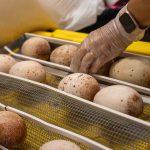
 Pacific Missile Range Facility Barking Sands Natural Resources Manager Brooke McFarland moves a Laysan albatross egg Dec. 16, 2025, before it is examined by “candling” at the U.S. Navy facility on the west coast of Kaua‘i near Kekaha. (Courtesy Photo: Mass Communication Specialist 1st Class Louis Lea/Pacific Missile Range Facility Barking Sands/U.S. Navy)
- University of Hawai‘i biologist Daniella Casillas examines a Laysan albatross egg Dec. 16, 2025, using a process called “candling” at Pacific Missile Range Facility Barking Sands on the west coast of Kaua‘i near Kekaha. Candling is done to observe whether an egg is viable and can be part of the Laysan Albatross Translocation Program in support of the Bird Aircraft Strike Hazard initiative, transferring albatross and their eggs from the U.S. Navy installation to more hospitable areas of the island. The goal is to keep the birds away from aircraft and reduce the strike threat to the animals, personnel and equipment. (Courtesy Photo: Mass Communication Specialist 1st Class Louis Lea/Pacific Missile Range Facility Barking Sands/U.S. Navy)
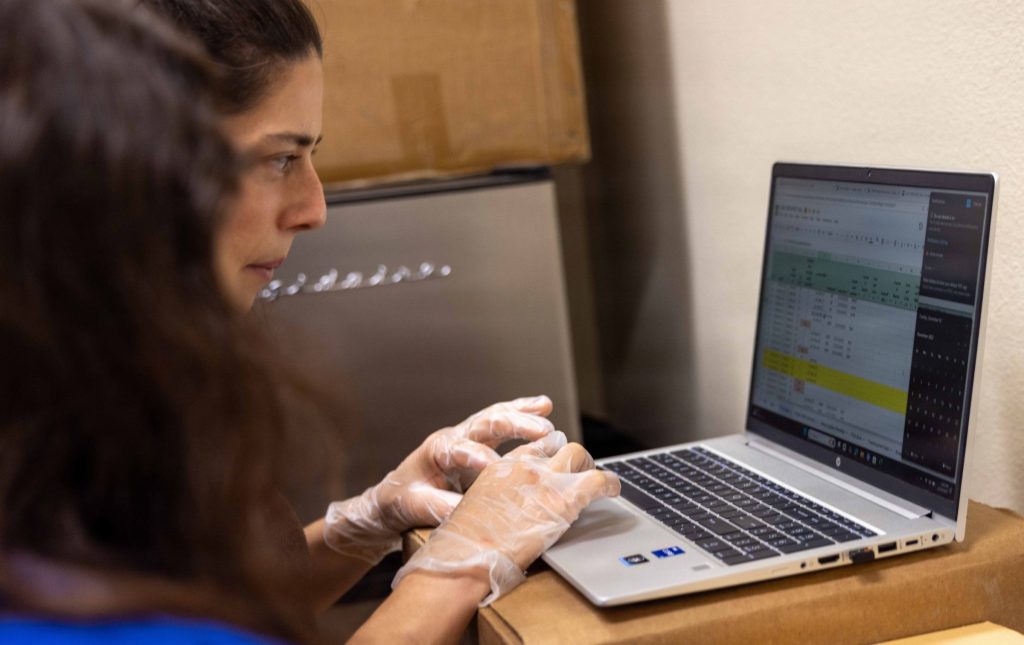
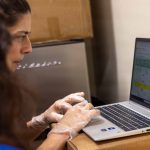
- University of Hawai‘i biologist Daniella Casillas records data gathered from Laysan albatross eggs after they are examined through a process called “candling” Dec. 16, 2025, at Pacific Missile Range Facility Barking Sands on the west coast of Kaua‘i near Kekaha. (Courtesy Photo: Mass Communication Specialist 1st Class Louis Lea/Pacific Missile Range Facility Barking Sands/U.S. Navy)
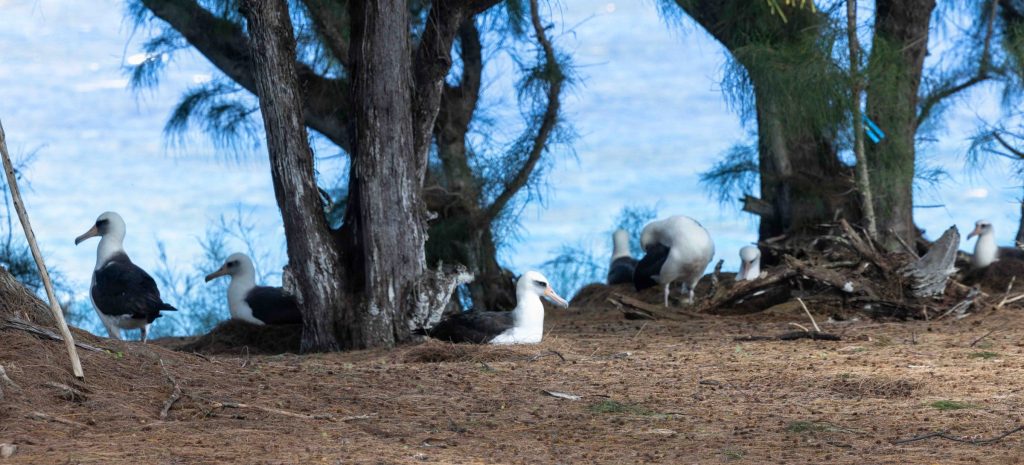
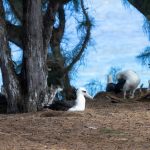
- Laysan albatross, a native species to the Hawaiian atoll, pictured Jan. 15, 2026, in a colony on the North Shore of Kaua‘i. (Courtesy Photo: Mass Communication Specialist 1st Class Louis Lea/Pacific Missile Range Facility Barking Sands/U.S. Navy)
Pacific Missile Range Facility has participated in the Laysan Albatross Translocation Program since 2005, with translocation sites varying each year.
“The egg translocation program is a success not only for the long-term health of albatross colonies but also for partnerships at [Pacific Missile Range Facility],” said installation Natural Resources Manager Brooke McFarland in the release. “This project demonstrates the Navy’s commitment to working with the community to preserve the unique ecosystem of Kaua‘i.”
This story was written by Pacific Missile Range Facility Barking Sands Mass Communication Specialist 1st Class Louis Lea and shared with Kaua‘i Now for publication.