



A branch of the United States military and a friends group supporting a Kaua‘i conservation organization are teaming up in an effort to reduce bird-aircraft strike hazards and advance long-term conservation on the Garden Island.
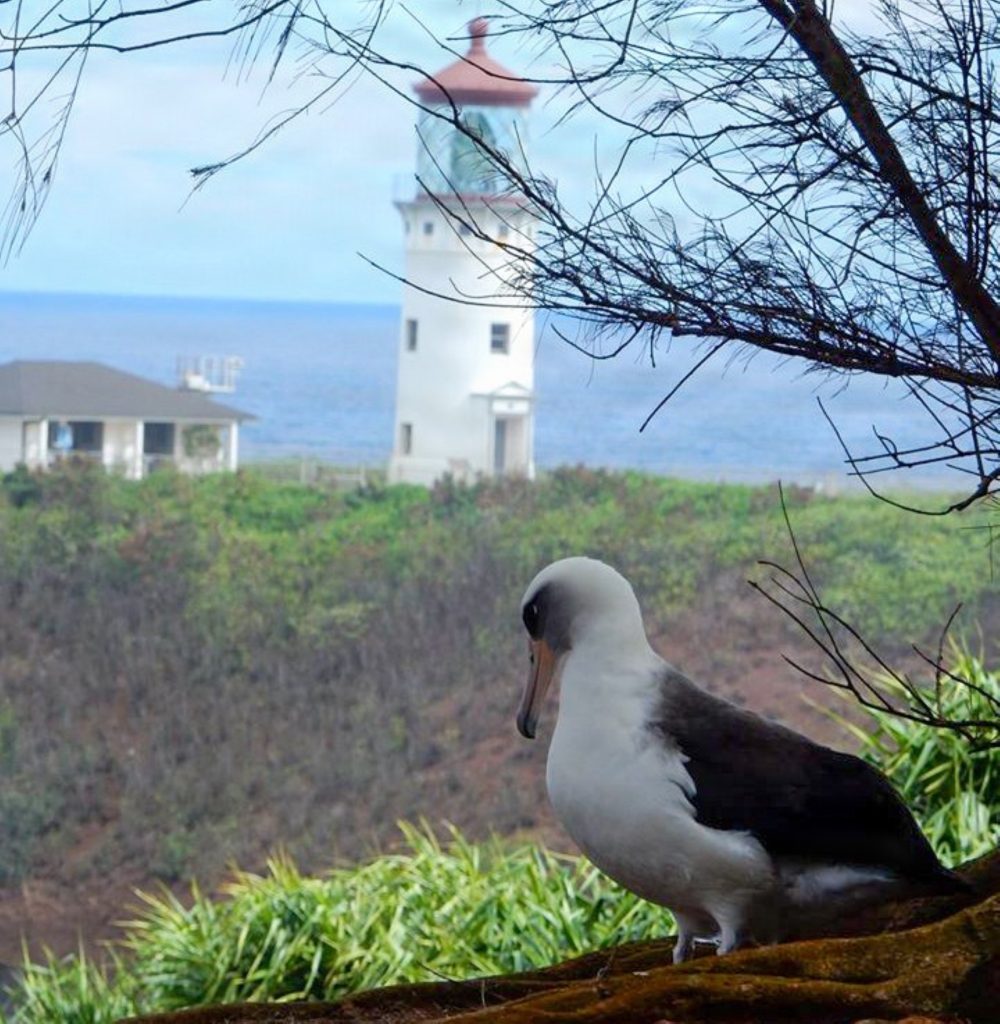
U.S. Department of the Navy signed an $800,000 cooperative agreement last fall with Friends of Kauaʻi Wildlife Refuges for a multi-year project focused on expanding habitat for native seabirds and water birds while supporting aviation safety at Pacific Missile Range Facility Barking Sands.
The collaboration is part of a Navy-funded partnership under the U.S. Department of War Office of the Secretary of War Readiness and Environmental Protection Integration Program.
It blends mission readiness with environmental protection.
Readiness and Environmental Protection Integration Program funding will:
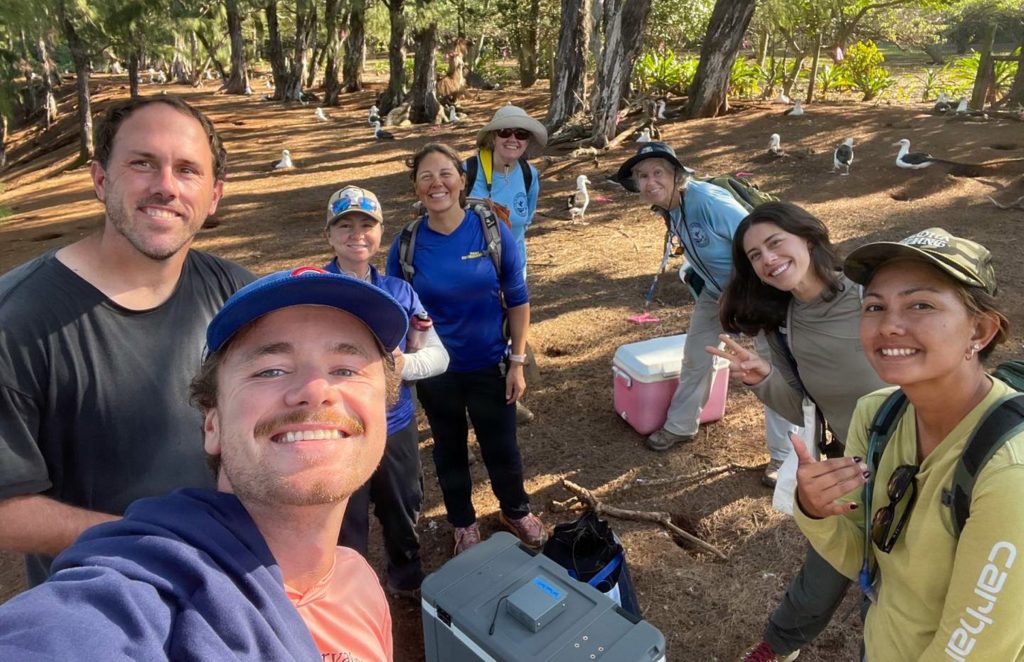
- Expand Pacific Missile Range Facility’s mōlī, or Laysan albatross, egg swap program to improve fledgling survival and reduce nesting in unsafe locations.
- Implement enhanced control of invasive predators to protect endangered seabirds.
- Strengthen biosecurity protocols to keep invasive species out of nesting sites.
- Reduce bird aircraft strike hazards on the Mana airfield at Pacific Missile Range Facility.
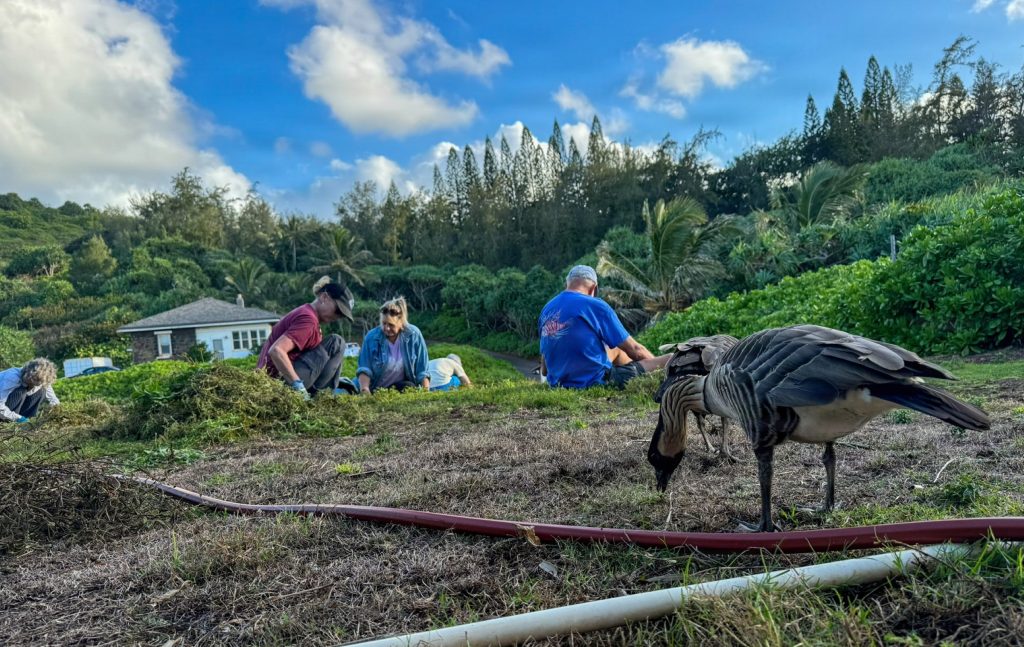
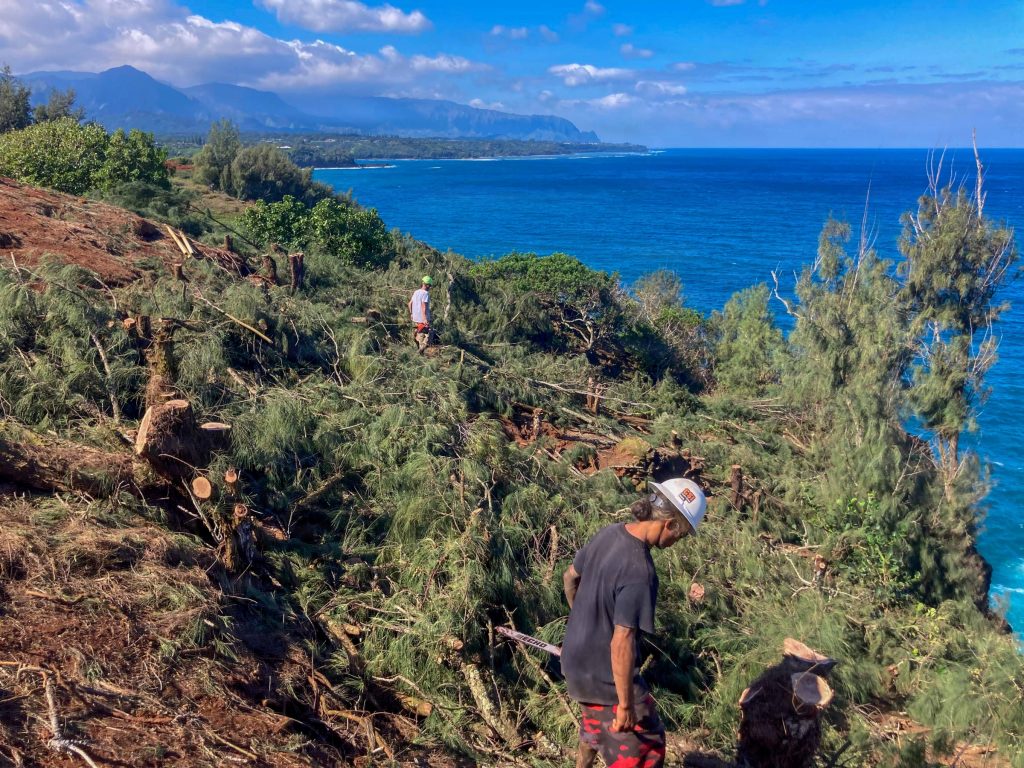
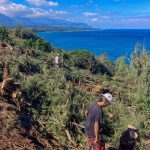
- Remove invasive plants and restore native vegetation to create higher-quality nesting habitat.
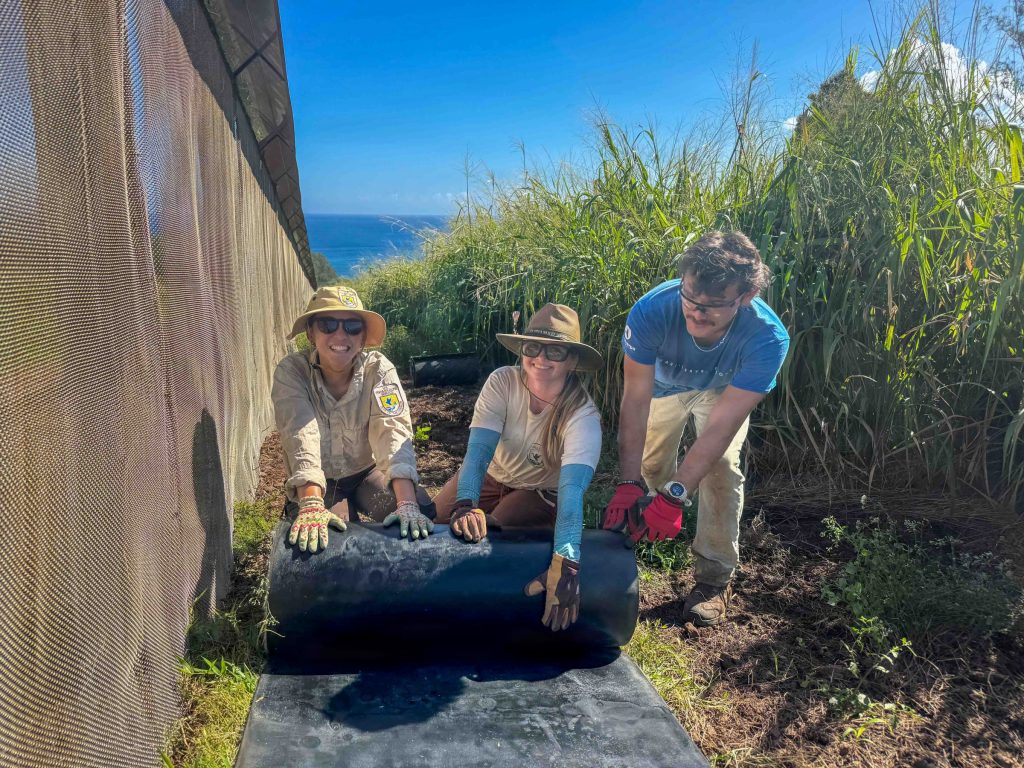
- Monitor and repair fence lines at Kaua‘i National Wildlife Refuge Complex to help protect native birds.
“Friends of Kauaʻi Wildlife Refuges is honored to serve as fiscal sponsor for this grant, which will directly serve the wildlife management programs of the Kauaʻi National Wildlife Refuge Complex,” said Friends of Kauaʻi Wildlife Refuges Executive Director Thomas Daubert in a release from Navy installation. “This partnership with the Readiness and Environmental Protection Integration Program is providing support at a key moment in the history of the Kauaʻi National Wildlife Refuge Complex.”
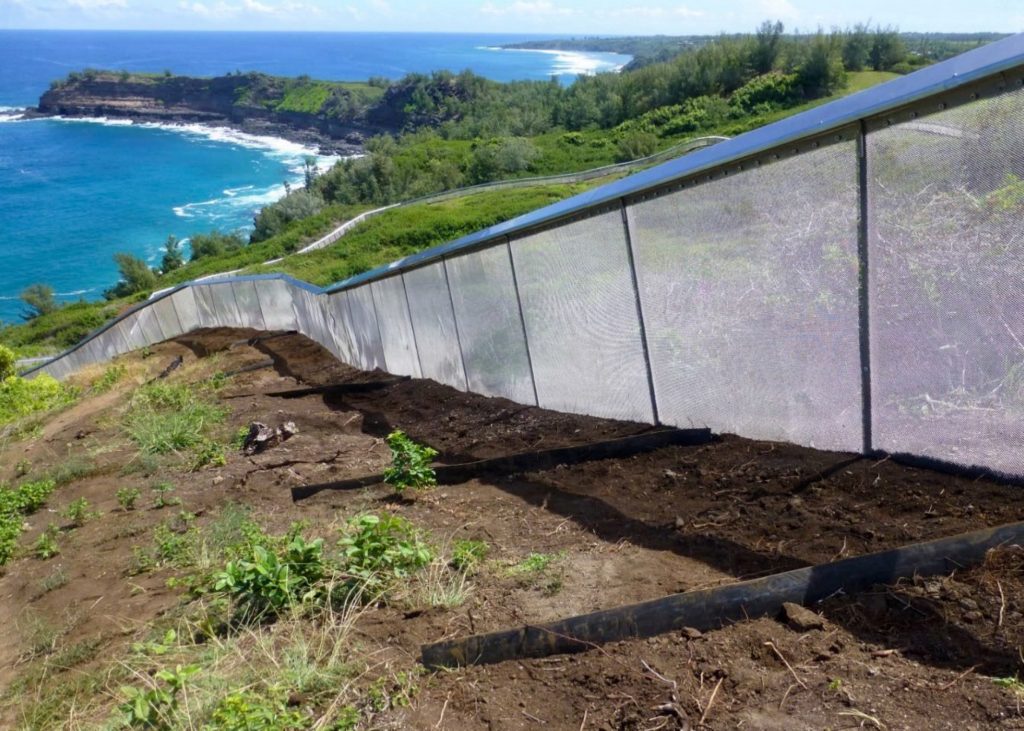
Funding provided by the Readiness and Environmental Protection Integration grant will support the U.S. Fish and Wildlife Service team in their work at Kīlauea Point National Wildlife Refuge to manage crucial bird habitat within the new predator exclusion fence.
It will also help with development of operational processes to support that work into the future.
“Together, we will be enhancing, supporting and managing key habitats for seabirds that need our kōkua [help], including the mōlī and nēnē [Hawaiian goose],” added Daubert.
Funding will also support work at Hanalei National Wildlife Refuge to manage native Hawaiian water birds, species with overall population numbers on the decline.
The agreement will be a catalyst to advance conservation through science-based management, stronger community partnerships and continued dedication to balancing environmental protection with mission success.
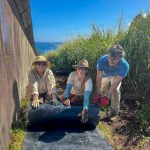
 Staff from Pacific Missile Range Facility, Pacific Rim Conservation and experienced U.S. Fish and Wildlife Service volunteers during an outing to place 15 fertile eggs into foster nests throughout Kīlauea Point National Wildlife Refuge. The work is part of the cooperative agreement between U.S. Navy and Friends of Kauaʻi Wildlife Refuges to support a multi-year project focused on expanding habitat for native seabirds and water birds, support aviation safety at the the Navy installation and advancing long-term conservation on Kaua‘i. (Contributed Photo by Friends of Kaua‘i Wildlife Refuges)
- (Contributed Photo by Friends of Kaua‘i Wildlife Refuges)
- (Contributed Photo by Friends of Kaua‘i Wildlife Refuges)
- (Contributed Photo by Friends of Kaua‘i Wildlife Refuges)
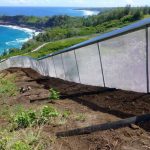
- A new predator exclusion fence is meant to protect native seabirds and water birds on Kaua‘i. It is part of a partnership between U.S. Navy and Friends of Kaua‘i Wildlife Refuges. (Contributed Photo by Friends of Kaua‘i Wildlife Refuges)
Combining habitat restoration, species management and infrastructure improvements will help ensure federally listed and protected seabirds and water birds can successfully breed and fledge in secure, predator-free environments — while reducing risks to pilots and aircraft operating from Pacific Missile Range Facility.
“This partnership demonstrates one of the many efforts integrated at [Pacific Missile Range Facility] to protect mission readiness while restoring critical habitats and supporting Kaua‘i’s unique biodiversity,” said Pacific Missile Range Facility Commanding Officer Capt. Robert Prince. “Environmental stewardship is not separate from our mission — it’s essential to sustaining the training and operations that keep our nation secure.”