


University of Hawaiʻi at Mānoa on Tuesday (Feb. 3) brought research from the lab to Hawai’i Legislature to showcase projects addressing pressing health, environmental and resilience challenges throughout Hawaiʻi and Pacific Ocean region.
The state Capitol in Honolulu hosted the fourth annual University of Hawaiʻi at Mānoa Research Day.
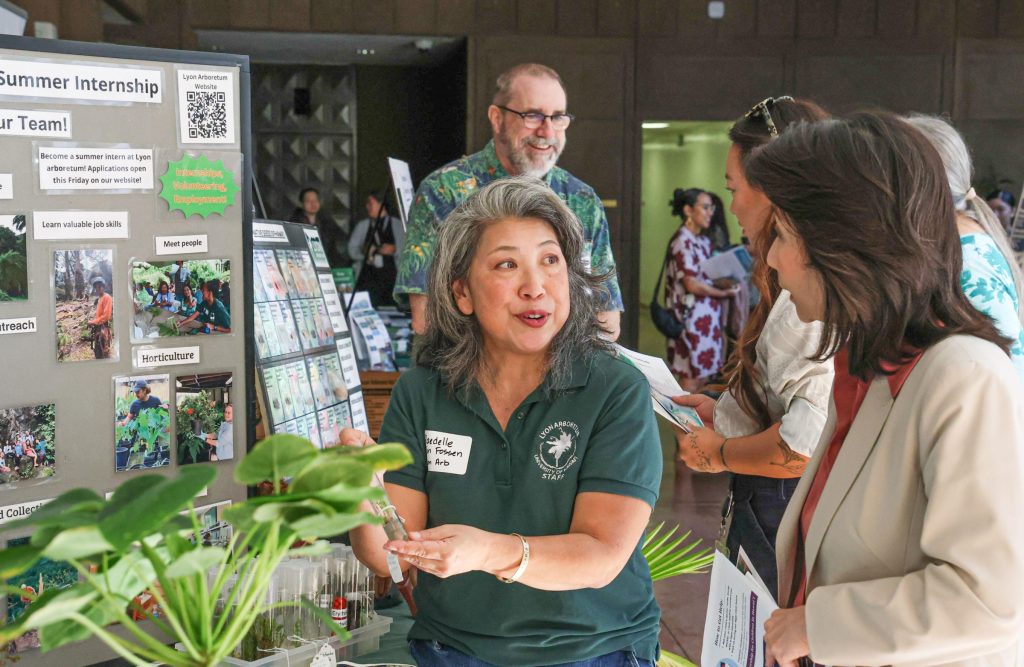
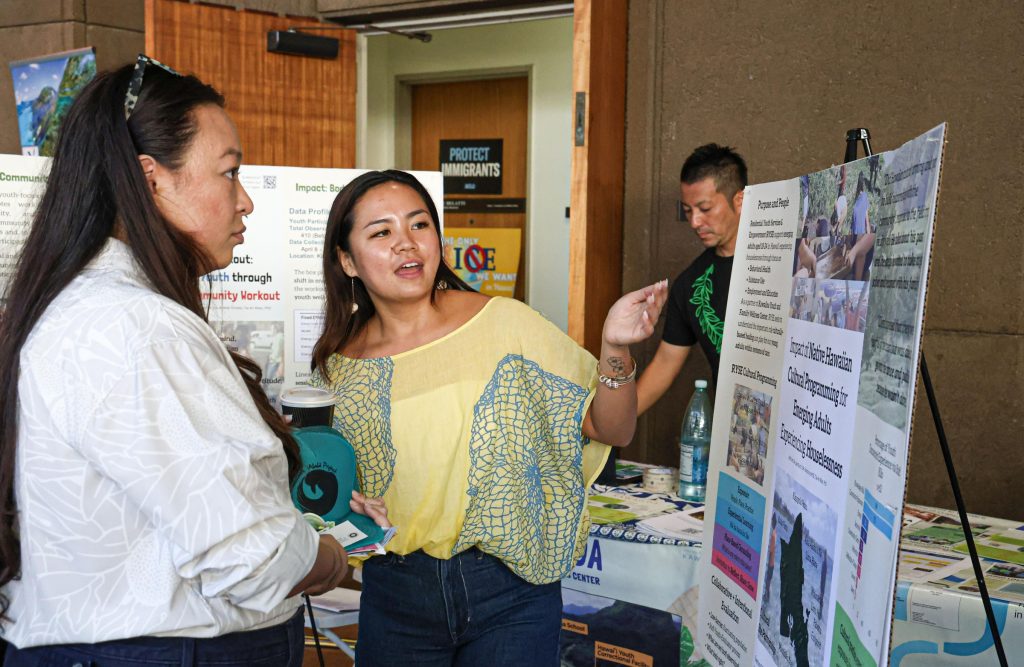
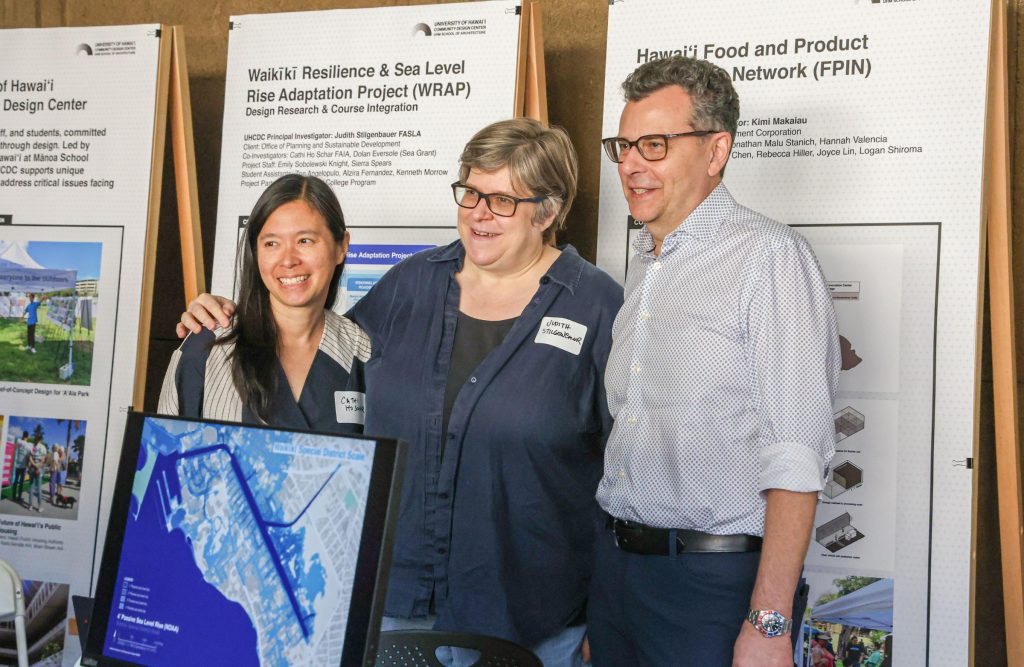
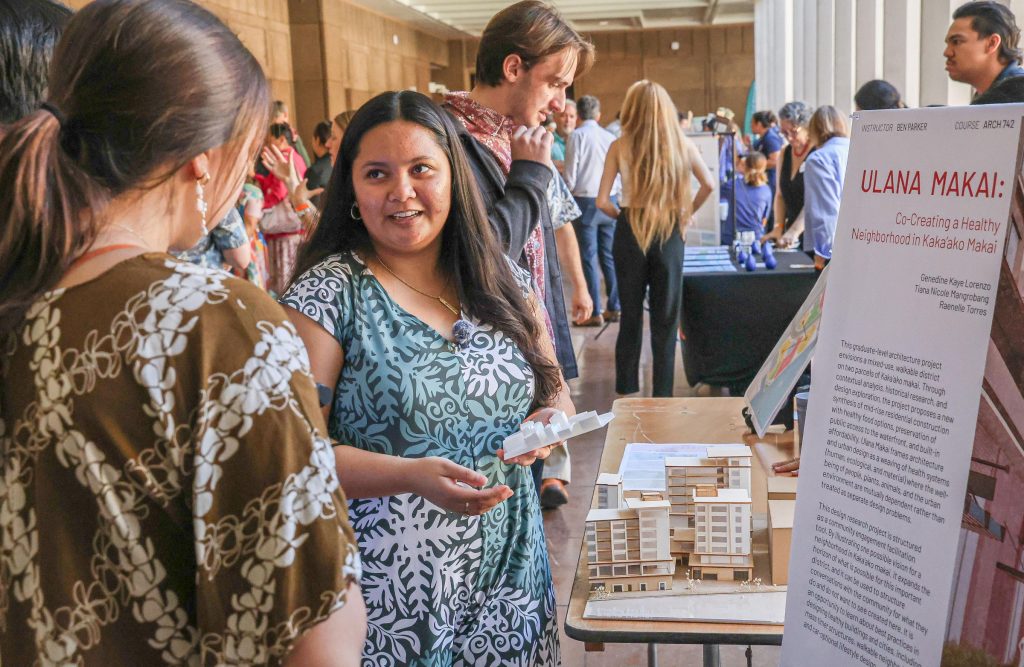
About 100 undergraduate and graduate students, researchers, faculty and staff shared their work through informational displays, demonstrations and interactive activities.
University of Hawaiʻi at Mānoa Research Day invited lawmakers, community advocates and the public to engage directly with researchers and learn how university-led projects are addressing issues such as public health, environmental sustainability, food systems and disaster preparedness.
“The various research components that I’ve seen ranging from childcare, immigrant services to culture and the arts,” said Hawaiʻi Lt. Gov. Sylvia Luke in a release about the special event. “This is not just important for the sectors that they are representing, but it’s really important for our various industries and our economy as a whole.”
This year’s theme was “One Health,” an interdisciplinary approach that recognizes the interconnectedness of human, animal, plant and environmental health.
Exhibits emphasized community-based research designed to strengthen resilience statewide and throughout the Pacific region.
“This is the ‘university of the people.’ It’s the main state research university,” said University of Hawaiʻi at Mānoa Interim Vice Provost for Research and Scholarship Robert Wright in the release. “The faculty are incredibly inventive, they work very hard, they’re bringing in quite a lot of money. And not everyone, not everywhere has a university like Hawaiʻi.”
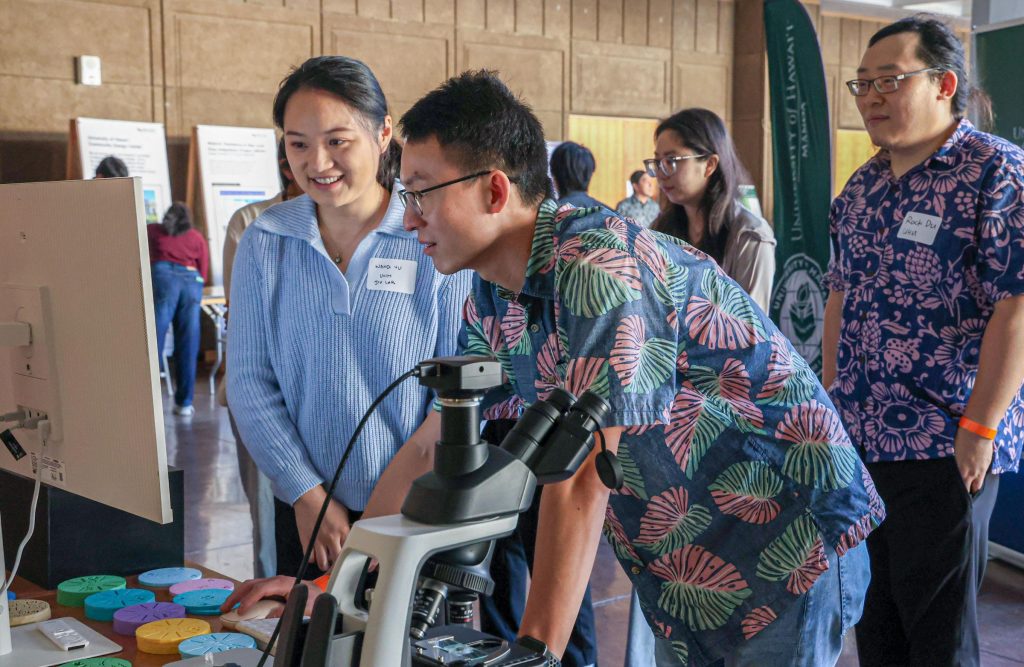
The day offered student researchers an opportunity to share their work beyond campus.
Toxoplasmosis is a disease caused by a parasite that affects people, animals and the environment in Hawaiʻi. Jerrisa Ching Choe, a PhD student at John A. Burns School of Medicine, and her research team use a “one health” approach to understand how the disease spreads, with the goal of helping communities, pets and wildlife throughout the islands stay healthier.
“Being here at [University of Hawaiʻi at Mānoa] Research Day is such an honorable privilege, to be able to share more about my research, but also be able to engage with the community, our politicians and legislature — and to be able to not only to share new knowledge with people, but to also take action towards addressing some of the challenges that we face here,” said Ching Choe in the release.
The event comes as University of Hawaiʻi at Mānoa continues to expand its research enterprise.
The campus earned a record $570.4 million in extramural awards in fiscal year 2024–25, helping drive University of Hawaiʻi’s 10-campus system to a record-breaking $734 million in total awards during the same period.
University of Hawaiʻi at Mānoa is one of only four U.S. universities designated simultaneously as a land-, sea-, space- and sun-grant institution.
It is also one of 107 public universities classified as Carnegie R1, denoting the highest level of research activity, and consistently ranked among the top 1% to 2% of universities worldwide.
More information about University of Hawaiʻi at Mānoa Research Day is available online.
 Photo Courtesy: University of Hawaiʻi
- Photo Courtesy: University of Hawaiʻi
- Photo Courtesy: University of Hawaiʻi