



High surf advisory now in effect for north, west shorelines of Kaua‘i, Ni‘ihau
A high surf advisory is now in effect until 6 a.m. Sunday (Feb. 1) for the north- and west-facing shores of Kaua‘i and Ni‘ihau.
The advisory was issued after a previous high surf warning was canceled for the same shorelines.
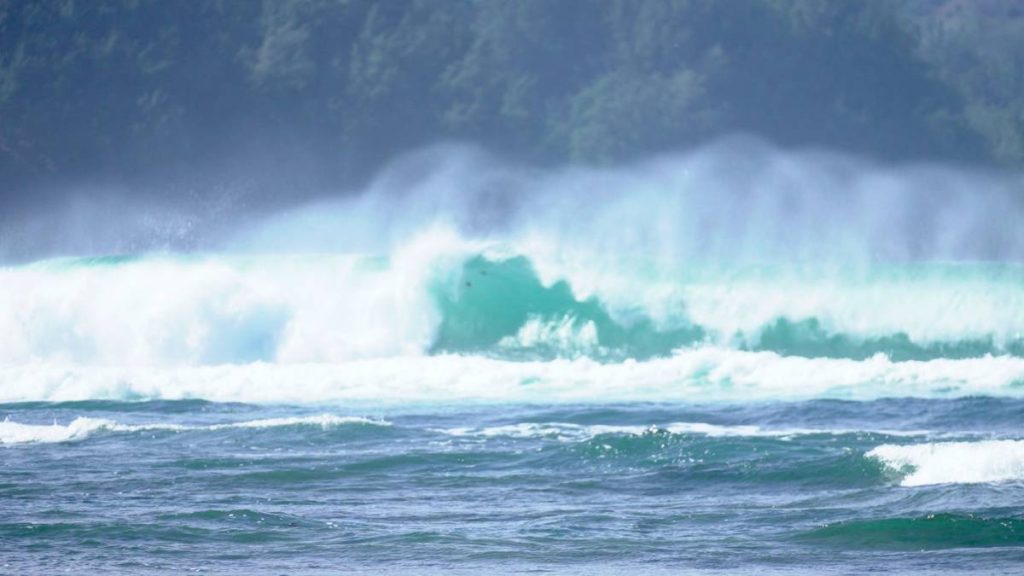
National Weather Service forecasters in Honolulu report that large surf will persist overnight because of overlapping west-northwest to northwest swells.
However, the swells will decline tonight and into Sunday.
The North Shore is expected to have surf of 18 to 24 feet with 12- to 16-foot breakers along west-facing shores before surf begins to slowly decrease late tonight.
Strong breaking waves and strong currents will continue to make swimming and other ocean activities dangerous in the advisory areas.
Heed all advice from ocean safety officials. Remember: when in doubt, don’t go out.
Higher-than-predicted tides also will produce minor flooding along vulnerable low-lying coastal areas around the island — as well as cause some beach erosion — during peak high tides between midnight and sunrise.
Elevated tides will contribute to runup and beach erosion late tonight into early Sunday morning along north and west shores exposed to the large swell.
A coastal flood statement remains in effect through Monday afternoon (Feb. 2).
Beaches that are normally dry also will experience flooding and there is the continued threat of minor coastal erosion and saltwater inundation during peak high tides.
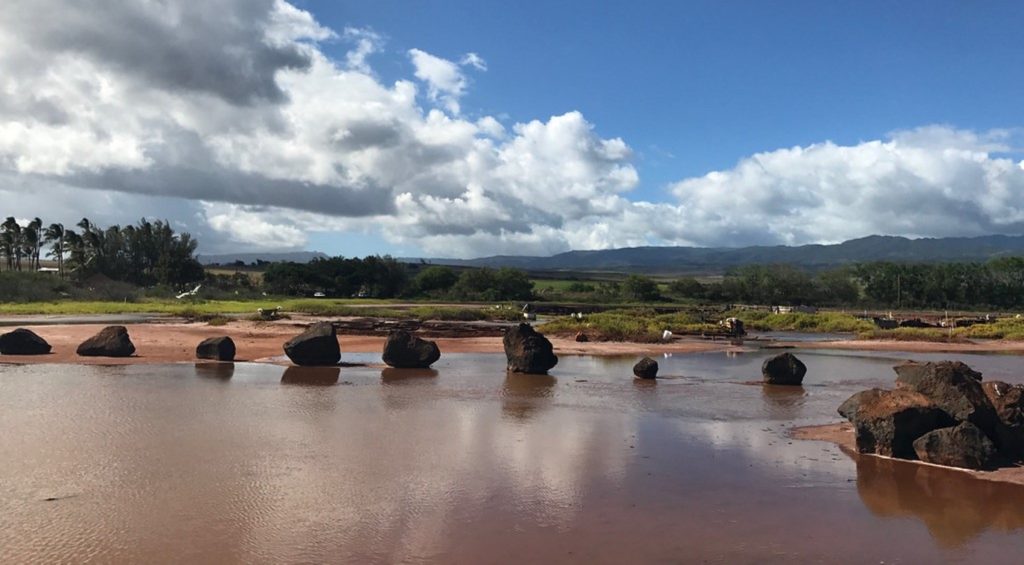
The public is advised to avoid driving through flooded roadways. If you are forced to drive through salt water, be sure to rinse your vehicle with fresh water as soon as possible.
Move electronics, vehicles or other valuables to higher ground. Monitor vessels to ensure mooring lines don’t get too tight and watch out for overwash around boat ramps.
Also, secure canoes or other watercraft stowed on beaches.
If you happen to capture photos of the coastal flooding, you can submit them to University of Hawai‘i Sea Grant College’s Hawai‘i and Pacific Islands King Tides Project.
Sponsored Content