



Hawai‘i State Energy Office will receive $1.8 million from the federal government to expand advanced energy, land use and disaster planning visualization tools in partnership with University of Hawai‘i Laboratory for Advanced Visualization and Applications.
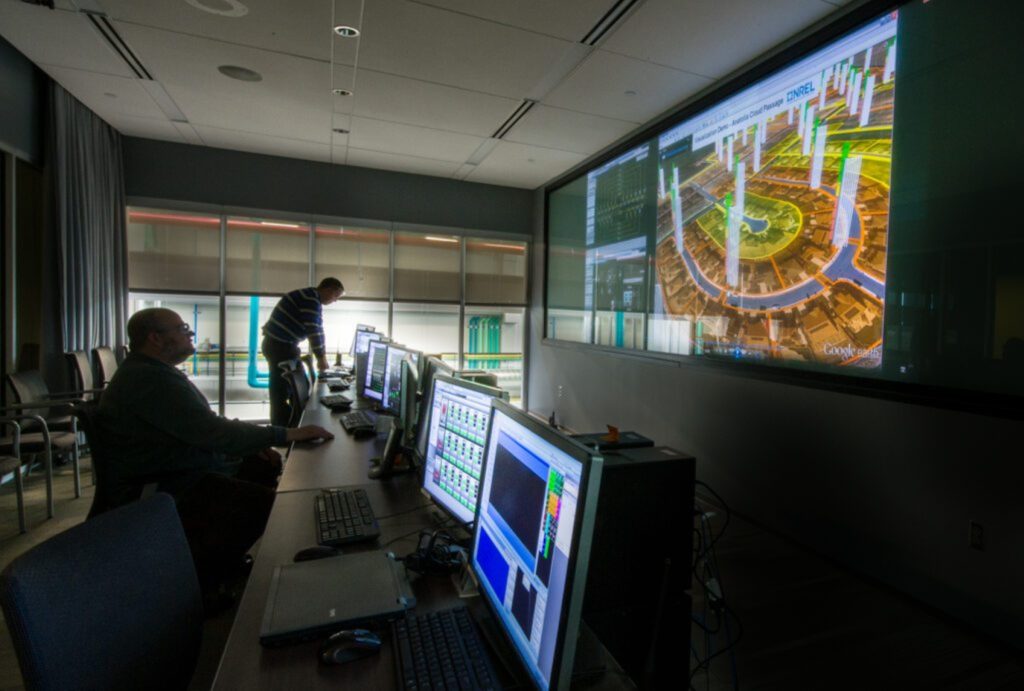
The funding — part of nearly $34 million in new federal funding secured by U.S. Sen. Brian Schatz of Hawai‘i — supports the continued development of the Hawai‘i Advanced Visualization Energy Nexus system, an interactive three-dimensional platform helping policymakers, planners and communities better understand complex energy infrastructure, land-use tradeoffs and resilience planning decisions.
Hawai‘i Advanced Visualization Energy Nexus makes technical planning data accessible to users with varying levels of expertise, supporting transparent and informed decision making throughout the state.
Communities face difficult choices about infrastructure siting, regional impacts and costs as the state moves to increase energy security and modernize its aging grid.
The advanced visualization system enables users to visualize scenarios, explore planning model inputs and outputs and assess cascading impacts related to energy, land use and disaster preparedness.
“[Hawai‘i Advanced Visualization Energy Nexus] visualization technologies have proven to be extremely effective in making energy plans and analysis more approachable,” said Hawai‘i State Energy Office Managing Director of Resilience, Clean Transportation and Analytics Chris Yunker in a release about the funding. “The resulting energy plans incorporate informed input from policymakers and local communities.”
The visualization system also supports Hawaiʻi State Energy Office as the regional partner for the U.S. Department of Energy’s Energy Technology Innovation Partnership Program, which provides technical assistance to communities facing energy resilience challenges.
Interactive visualization capabilities can be leveraged throughout the Energy Technology Innovation Partnership Program strategic planning and technical deep-dive processes to help communities visualize energy system options, evaluate resilience and affordability impacts and support informed local decision-making.
“[Hawai‘i Advanced Visualization Energy Nexus] represents a new generation of planning tools that combine immersive visualization, geospatial intelligence and emerging [artificial intelligence] capabilities,” said University of Hawai‘i Laboratory for Advanced Visualization and Applications Director Jason Leigh in the release. “With this support, we can scale these technologies statewide while training the next generation of visualization, data science and [artificial intelligence] professionals here in Hawaiʻi.”
Over a multiyear period, Hawai‘i State Energy Office and University of Hawai‘i Laboratory for Advanced Visualization and Applications will expand Hawai‘i Advanced Visualization Energy Nexus’s capabilities throughout a multi-year period.
Complementary visualization tools will be integrated and the use of artificial intelligence to support semi-autonomous engagement and expand the scale of visualization deployment will be explored.
The project also supports workforce development by providing University of Hawai‘i graduate students with hands-on experience in advanced data visualization.
Funding for the Hawai‘i Advanced Visualization Energy Nexus initiative will leverage Hawai‘i State Energy Office’s nationally recognized Geospatial Decision Support System, an award-winning platform used to support emergency response, resilience planning and prioritization of critical infrastructure investments.
The Geospatial Decision Support System maps the interdependencies within Hawaiʻi’s energy supply chain as well as the dependencies of critical community lifeline services that depend on it, including hospitals, shelters, first responders and food and water.