



Hawai‘i Tourism Authority recently announced 11 community programs selected to receive a portion of a total about $489,000 in support through its Kahu ʻĀina program.
These initiatives reflect the strength of Hawaiʻi’s communities and their dedication to caring for the land, waters and ecosystems that sustain residents and visitors alike.
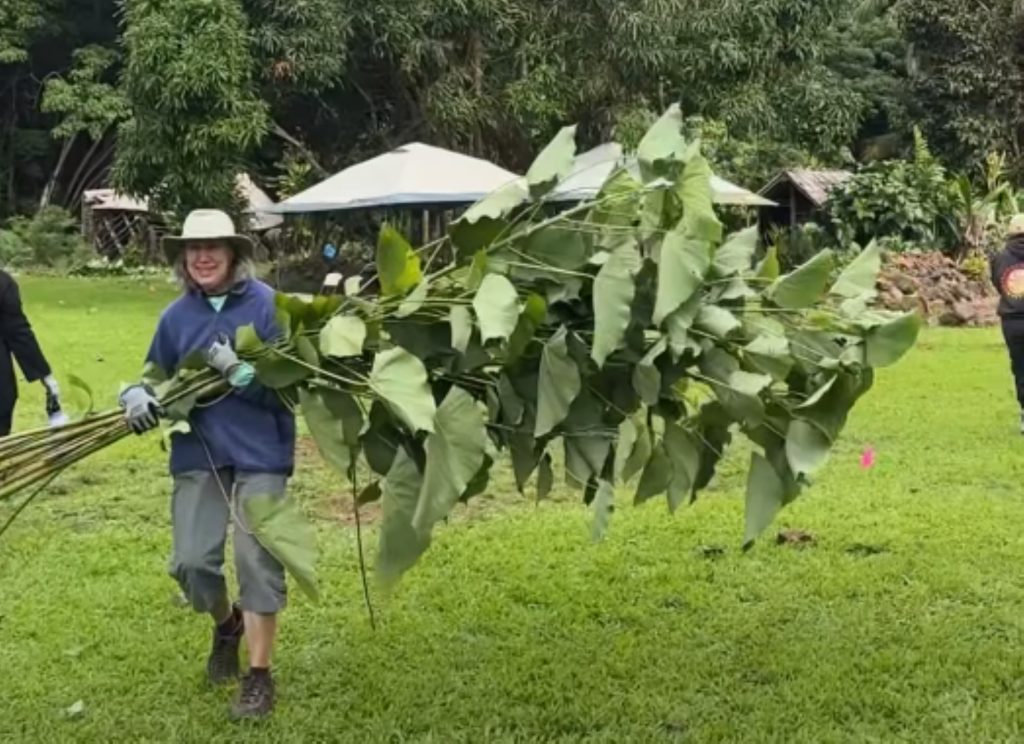
“The Kahu ʻĀina program celebrates the deep relationship between our people and our environment,” said Hawai‘i Tourism Authority Interim President and Chief Executive Officer Caroline Anderson in a release about the funding. “These projects are led by the communities — who know their lands best — ensuring that Hawaiʻi’s natural and cultural resources are cared for with wisdom, integrity and aloha.”
The Hawaiian Islands are among the most ecologically diverse places on Earth — home to 27 of 38 global life zones.
Their beauty is unmatched. And their fragility equally so.
Kahu ʻĀina — part of Hawai‘i Tourism Authority’s destination stewardship portfolio — supports community-based organizations dedicated to the stewardship, conservation and revitalization of Hawai‘i’s natural resources.
The program is administered in partnership with Kilohana, a division of Hawaiian Council, and emphasizes ʻāina-kānaka, or land-human, relationships and knowledge.
The following programs on Kauaʻi are being supported through Kahu ‘Āina:
Kauaʻi Invasive Species Committee: Pacific Cooperative Studies Unit
Community workdays along Waimea Canyon and Kōke‘e trails invite residents and visitors to remove invasive plants and learn the stories of native plants that define Kauaʻi’s uplands.
These efforts protect fragile bog ecosystems and maintain the beauty of the island’s most beloved hiking paths.
Mālama Kukui Heiau: Pihana Ka ʻIkena
Located near Wailuā, Kukui Heiau is a heiau hoʻōla — a temple dedicated to healing and well-being.
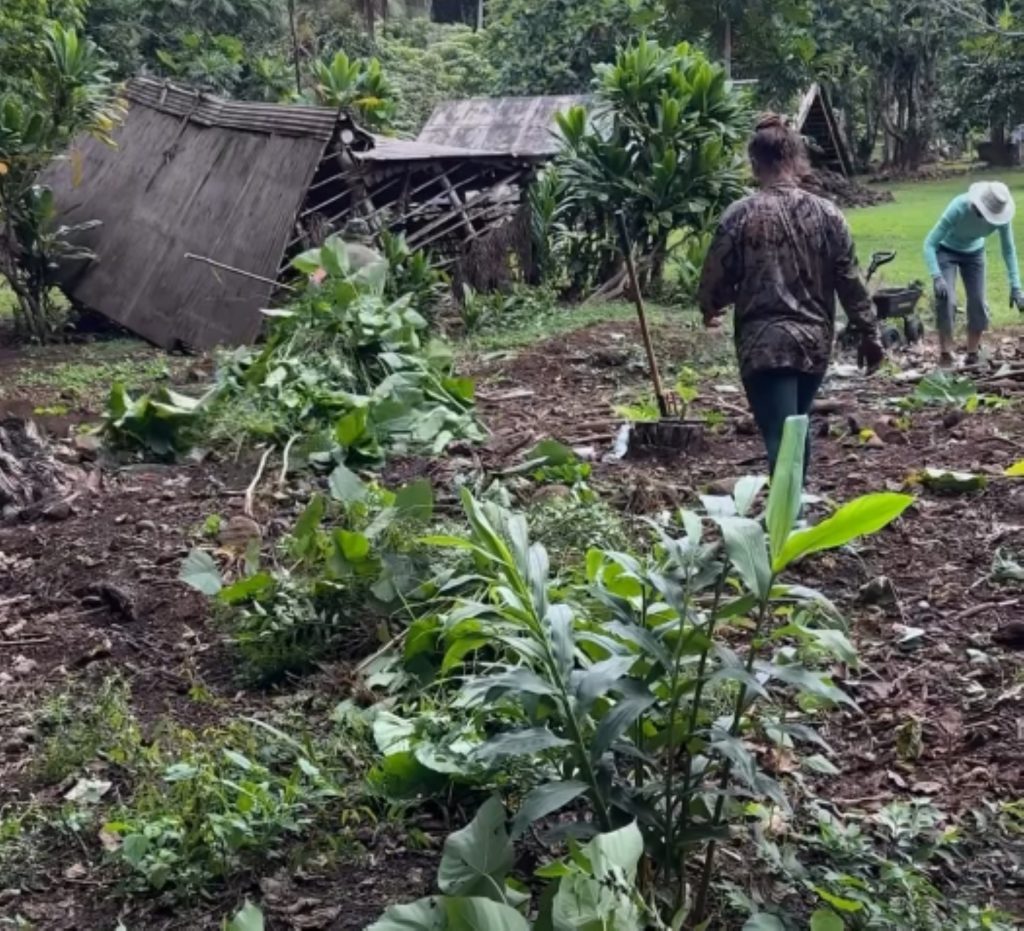
Guided by cultural practitioners, this project restores the heiau’s eastern wall — guided by cultural practitioners — using traditional dry-stack masonry.
It also will install interpretive signage to teach proper protocol and share mo‘olelo of the area.