



Sunday marked 50 years since nine courageous activists—later known as the Kahoʻolawe Nine—defied U.S. military control and set foot on Kahoʻolawe to protest decades of bombing, creating a defining moment in the modern Hawaiian movement.
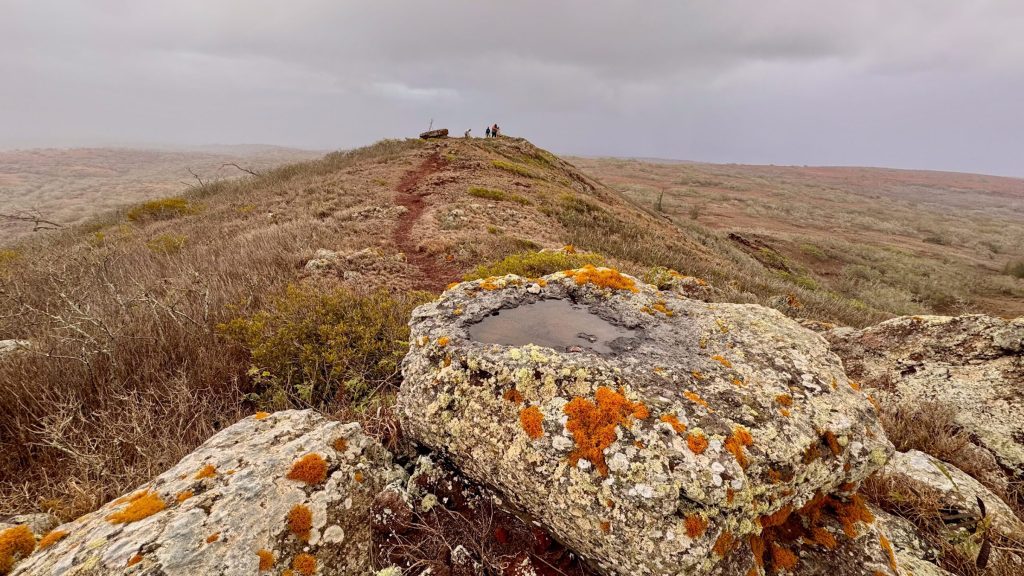
On Jan. 4, 1976, the U.S. Coast Guard turned away a flotilla of Native Hawaiians trying to make landfall on Kahoʻolawe, but a lone Boston Whaler made its way through while carrying the Kahoʻolawe Nine—Walter Ritte, Emmett Aluli, George Helm, Gail Kawaipuna Prejean, Stephen K. Morse, Kimo Aluli, Ellen Miles, Ian Lind, and Karla Villalba.
The protest was meant to bring attention to the Navy’s use of Kahoʻolawe as a practice bombing range that had devastated the island and desecrated sacred lands. Their actions led to the end of military bombing and the eventual return of the island to the state.
“When we landed on Kahoʻolawe in 1976, we weren’t trying to make history—we were trying to stop the destruction of our island and remind our people who we are,” Ritte said. “That landing showed us the power of standing up for ʻāina, even when the odds are against you.”
For decades, Kahoʻolawe suffered profound damage from military training and live-fire exercises and the landing of the Kahoʻolawe Nine showed everyone that the island’s destruction was incompatible with Hawaiian values, cultural survival, and environmental responsibility.
Bombing, erosion, unexploded ordnance, and the loss of cultural sites scarred the island physically and spiritually, however, the island remained present in genealogy, chant, navigation, ceremony, and memory.
Before the island was returned to the state in 1994, Congress approved $400 million in federal funding in 1993 to partially clean up remaining ordnance and debris; however, it has not been completed, according to ‘Åina Momona, a Native Hawaiian organization founded by Ritte that aims to achieve environmental health and sustainability through social justice and Hawaiian sovereignty.
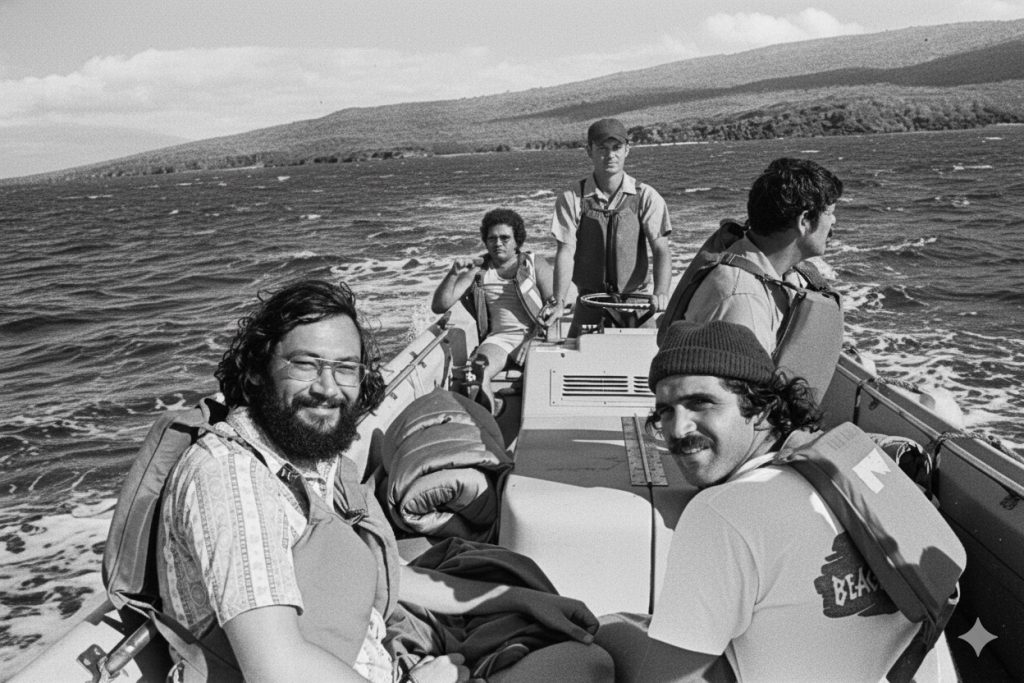
The lessons of this era of Native Hawaiian protests remain relevant for Ritte, 80, with the issue of U.S. military forces working to renew their leases on state lands such as the Pōhakuloa Training Area and its continued live-fire training and other drills on Mauna Kea.
“Today, the struggle continues—at Mauna Kea, in the fight to demilitarize Hawaiʻi, and wherever our lands and waters are treated as expendable,” Ritte said. “This anniversary isn’t just about looking back. It’s about calling our young people forward.”
In the present day, Kahoʻolawe is listed on the National Register of Historic Places and is home to 600 cultural sites, including petroglyphs and iwi kūpuna.
To honor the 50-year milestone, a free, all-ages public celebration in Oʻahu brought together music, film, community organizations, and cultural expression to reflect on the legacy of Kahoʻolawe and the movements it inspired.
There were nonprofits and specialty vendors selling anniversary-themed items, with proceeds supporting community-based cultural, environmental, and justice initiatives.
HI Finest also created a special, limited-edition Kahoʻolawe 50th Anniversary clothing collection to honor the legacy of the landing and the enduring spirit of aloha ʻāina.
Music anchored the celebration with performances by Raiātea Helm and Ledward Kaʻapana, Jerry Santos, Kealamauloa Alcon, and The Vitals 808.
The event, which began a yearlong series of Aloha ʻĀina Events to commemorate the original landing, also included a video tribute and historic reflections honoring those who risked everything to protect the island.
To learn more about Kahoʻolawe or to attend another event, visit kaainamomona.org.