



University of Hawaiʻi study reveals how ocean’s most abundant bacteria diversify
A groundbreaking study led by the University of Hawaiʻi at Mānoa’s Hawaiʻi Institute of Marine Biology revealed critical new details about one of the ocean’s most abundant life forms — SAR11 marine bacteria.
Understanding these microbes is vital because they are one of the main drivers of the global ocean’s life-support system.
They move and recycle the carbon and nutrients that sustain all other marine life.
By better understanding them, scientists can more accurately predict how the entire ocean ecosystem — and the global climate — will react to threats such as pollution and ocean warming.
The research, published in Nature Communications, found SAR11 bacteria are not a single, uniform population as often thought.
Instead, they are organized into stable, ecologically distinct groups — essentially specialized “teams” adapted to specific environments, such as the coast versus the open ocean.
This means one of the ocean’s most important engines is far more complex than previously known.
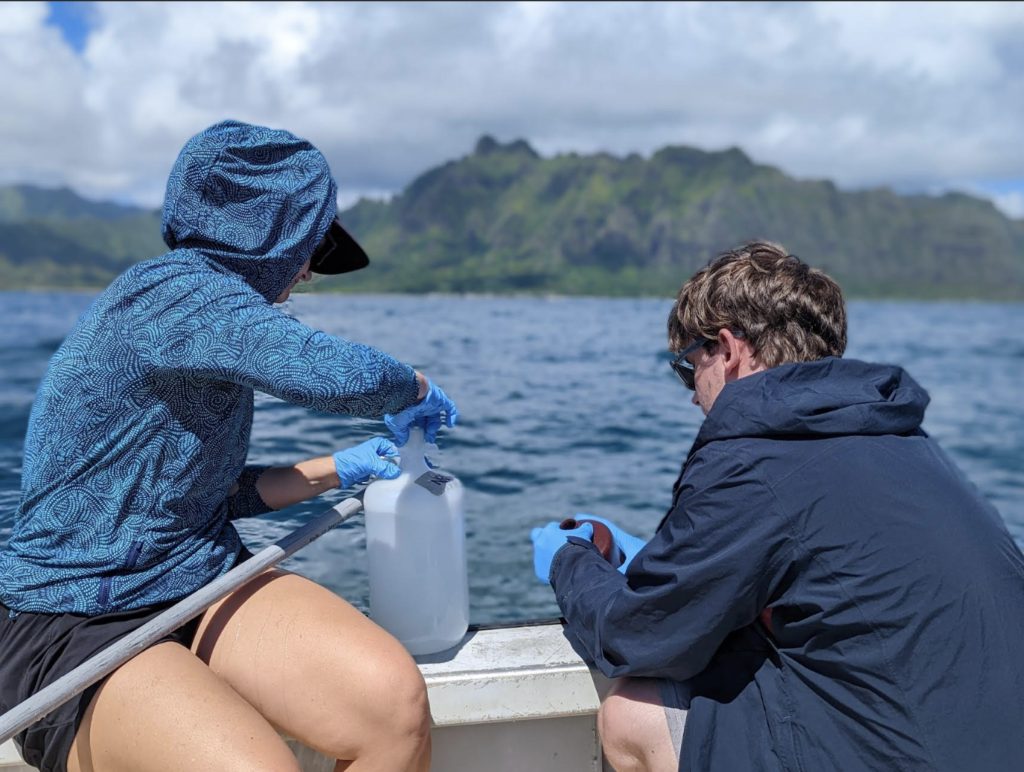
The team — using Oʻahu’s Kāneʻohe Bay as a natural laboratory — linked newly cultivated strains to ocean samples worldwide, showing that these distinct ecological groups differ significantly in habitat preference, gene content and evolutionary history.
“Kāneʻohe Bay gave us a rare window into how microbial populations can adapt across very small spatial scales,” said the study’s lead author at Hawaiʻi Institute of Marine Biology Kelle Freel in a release about the findings. “By pairing cultivation with a long-term time series, we could directly connect genomes to real ecological differences in the ocean.”
SAR11 bacteria are tiny, streamlined cells that play a central role in marine carbon and nutrient cycling.
Despite their global importance, scientists struggle to understand how SAR11 populations differ from one another, in part because these microbes are extremely diverse and very difficult to grow in the laboratory.
Kāneʻohe Bay provided a uniquely powerful model system to overcome these challenges.
Years of sustained sampling through the Kāneʻohe Bay Time-series allowed researchers to pair environmental measurements with newly grown SAR11 strains, creating an opportunity to connect microbial DNA with where these organisms live and how they survive.
“This work shows that SAR11 diversity is not random,” said principal investigator at Hawaiʻi Institute of Marine Biology Michael Rappé in the release. “By using Kāneʻohe Bay as a model system, we could integrate genomics with ecology in a way that reveals clear evolutionary structure — structure that holds across the global ocean and provides a common framework for studying one of the planet’s most important microbial groups.”
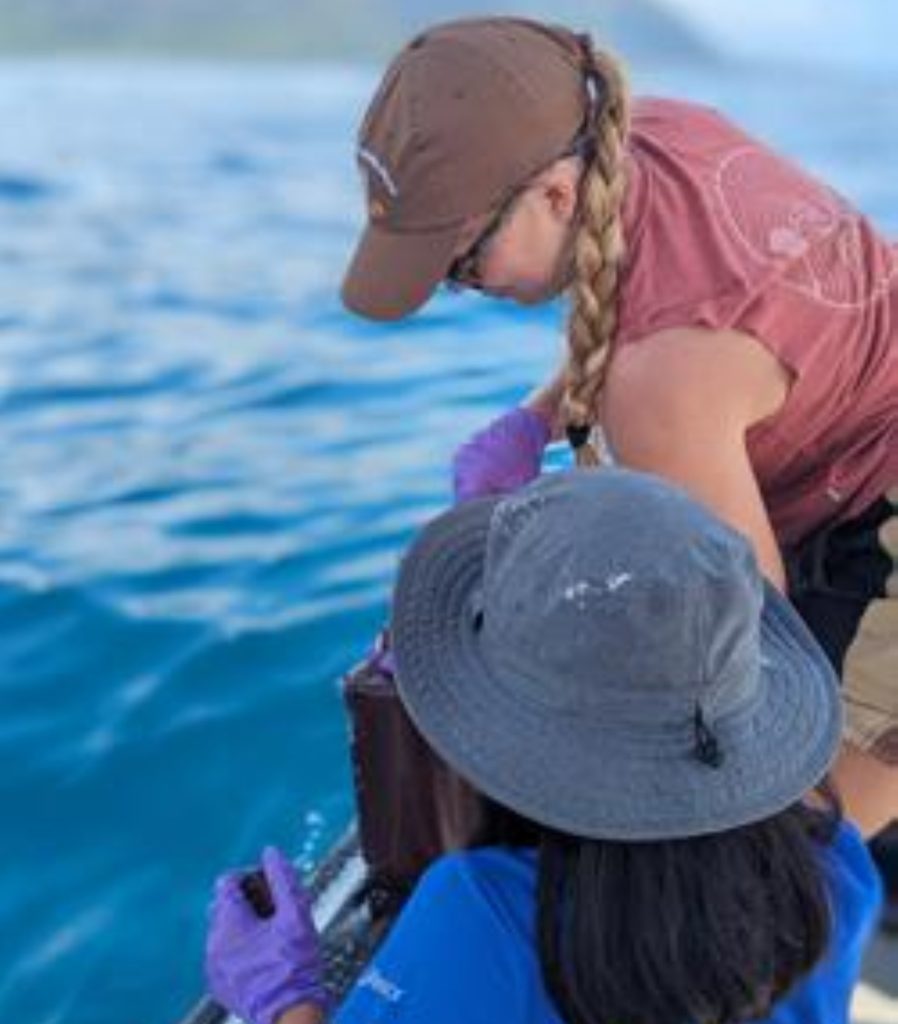
By culturing and sequencing the whole genomes of 81 new SAR11 isolates originating from coastal and offshore waters, researchers tripled the number of complete genomes available for strains of this bacterial group.
When these genomes were analyzed together with more than 1,300 marine metagenomes from oceans around the world, clear and repeatable ecological patterns emerged.
SAR11 bacteria consistently grouped into ecologically distinct units, whose members shared similar habitats and biological traits across space and time, rather than blending together as one large population.
A related study published in The ISME Journal revealed that SAR11 bacteria — whether they thrive near the coast or in the open ocean around Kāneʻohe Bay — can depend on just a small number of genes under strong environmental selection.
These findings show how small genetic differences can lead to significant ecological differences, helping explain how SAR11 maintains diversity despite large population sizes and global dispersal.
Sponsored Content