



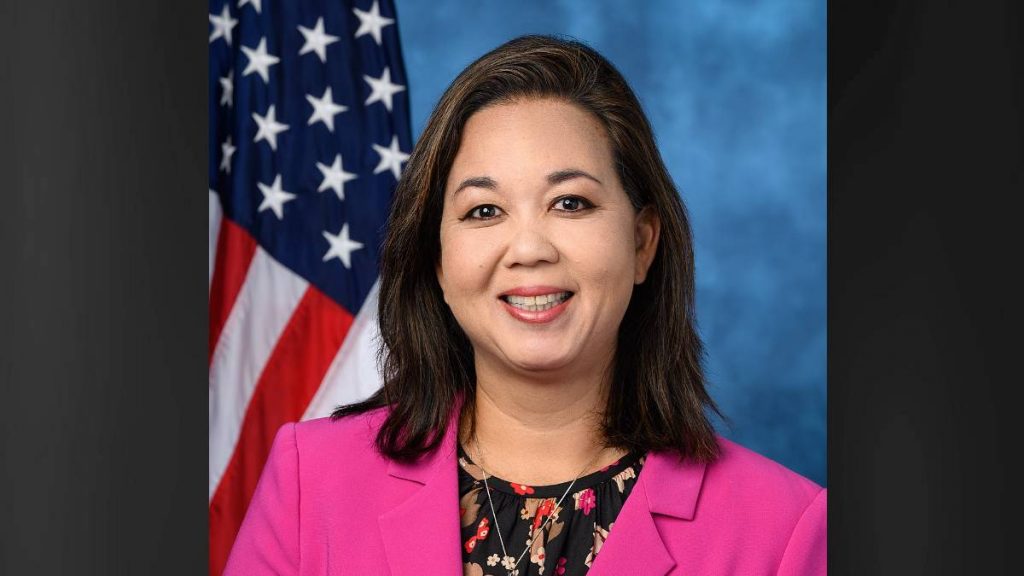
Hawai‘i U.S. Rep. Jill Tokuda and two of her fellow Democratic colleagues in the U.S. House introduced legislation that corrects a disparity made in the Republican spending bill that impacts healthcare students.
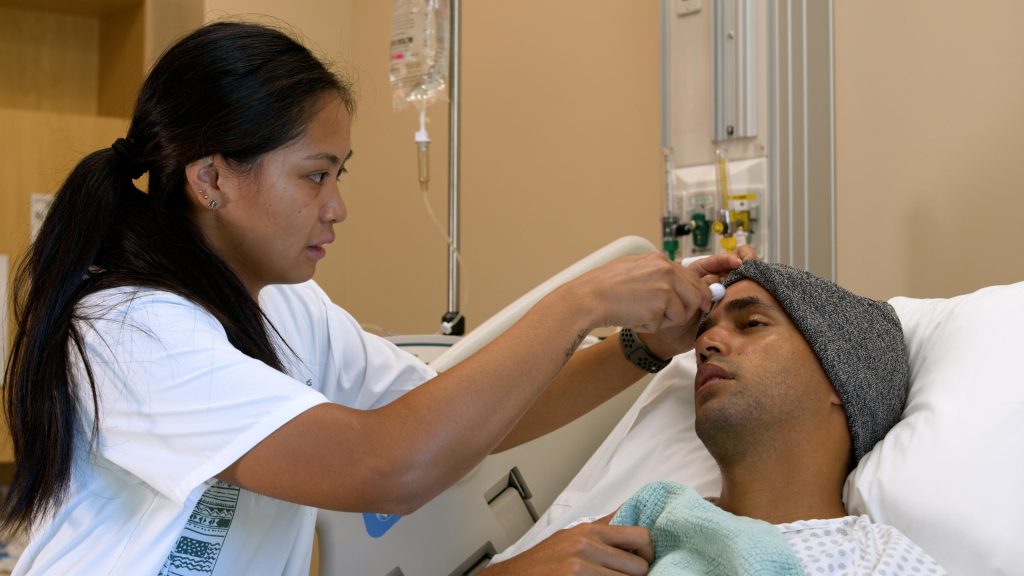
The spending bill drastically reduces borrowing power for essential students seeking advanced health degrees — such as nurses, physical therapists, occupational therapists and public health workers — while leaving limits for other professionals untouched.
The proposed Loan Equity for Advanced Professionals — or LEAP — Act creates parity by raising the cap for graduate students, ensuring these vital professionals have the same borrowing capacity as their peers.
Post-baccalaureate students prior to the spending bill’s passage were able to borrow up to the cost of attendance for federal lending through the Grad PLUS program.
However, the program was eliminated and a two-tiered system was established for direct unsubsidized loans: a higher $50,000 annual limit for “professional” degrees and a slashed $20,500 annual limit for “graduate” degrees.
“Regardless of whatever misguided label the [U.S.] Department of Education wants to slap on these programs, nursing, physical therapy and other advanced health training are health care professions,” said Tokuda in a press release about the new legislation. “To say otherwise is offensive, and the people who step up to serve our communities in these fields are professionals.”
Tokuda added that the “Big, Ugly Bill,” referring to the Republican spending measure, once again failed Americans by refusing to recognize the urgent need for these health care workers in every state, and by making it harder for students to enter these critical fields.
“That’s why I’m proud to join my colleagues in introducing the Loan Equity for Advanced Professional Act,” she said. “This bill ensures equal access to federal student loans so graduate and professional students can finish their degrees, get to work and help shore up the health workforce our communities depend on.”
New York Rep. Tim Kennedy and Alabama Rep. Shomari Figures co-introduced the measure with Tokuda.
When Kennedy went to grad school to become an occupational therapist, Kennedy had to use loans when he went to grad school to become an occupational therapist. He remembers filling out the forms, hoping he’d have enough to cover tuition, books and rent.
“I took on that debt because I wanted to build a better future for my family, and because I wanted to help people,” he said in the release. “Without the LEAP Act, we face a future of fewer nurses at the bedside, fewer therapists helping patients recover, fewer specialists serving rural communities and fewer mental health providers at a time when this nation is desperate for them.”
He urges his U.S. House colleagues to pass this bill into law and provide equity for these vital healthcare providers.
Figures said the recent change of student loan programs is just another attempt by the President Donald Trump Administration to devalue higher education that hurts students throughout the nation.
“That kind of policy is just wrong,” the Alabama congressman said in the release, adding the proposed LEAP Act says clearly that Congress isn’t going to let Trump dismantle opportunities for the next generation. “The Loan Equity for Advanced Professionals Act restores fairness, raises loan limits and ensures students won’t be forced to walk away from their dreams.”
Changes implemented in the GOP spending bill are slated to go into effect July 1, 2026. The LEAP Act would have the same effective date, ensuring equal access for medical professional students moving forward.
The proposed legislation is endorsed by:
- American Federation of Teachers.
- American Occupational Therapy Association.
- American Physical Therapy Association.
- Association of Schools and Programs of Public Health.
- Council on Social Work Education.
- National Association of Social Workers.
- National Board of Certification of Occupational Therapy.
- National Hispanic Health Foundation.
- Hispanic Health Professionals Network.
- National Board for Certified Counselors and Affiliates.
- Association of Schools Advancing Health Professions.
“Social workers are professionals, and they should have the same level of federal financial aid options as their professional colleagues,” said National Association of Social Workers Chief Executive Officer Dr. Anthony Estreet in the release. “This common sense legislation would mitigate actions by the [U.S.] Department of Education to differentiate student loan limits between graduate and professional programs.”
American Occupational Therapy Association Chief Executive Officer Katie Jordan added that the LEAP Act is a critical step forward toward protecting access to education for the next generation of healthcare professionals.
“At a time of severe nationwide workforce shortages, it’s essential that future students can pursue careers in occupational therapy and other essential health professions,” said Jordan in the release. “Strengthening our healthcare workforce starts with equitable access to graduate education … .”
Joining Tokuda, Kennedy and Figures in the effort to pass The LEAP Act are co-sponsors U.S. Reps. Angie Craig, Suzan DelBene, Debbie Dingell, Dwight Evans, Cleo Fields, Dan Goldman, Pablo Hernandez, Eleanor Holmes Norton, Greg Landsman, George Latimer, LaMonica McIver, Teresa Leger Fernandez, Grace Meng, Chellie Pingree, Stacey Plaskett, Lateefah Simon, Suhas Subramanyam, Shri Thanedar, Dina Titus, Rashida Tlaib and Nydia Velazquez.