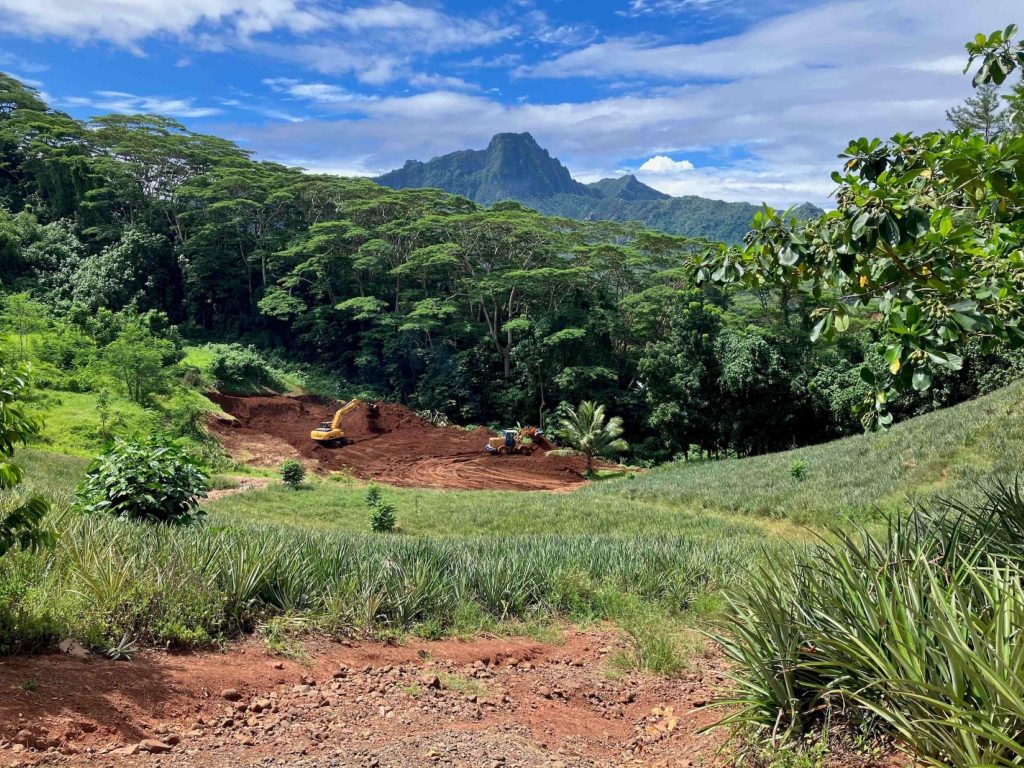



A multi-year scientific expedition including the University of Hawai‘i at Mānoa — led by researchers from University of California, Santa Barbara, and collaborating institutions — was able to find critical connections between land, rainwater and lagoon waters.
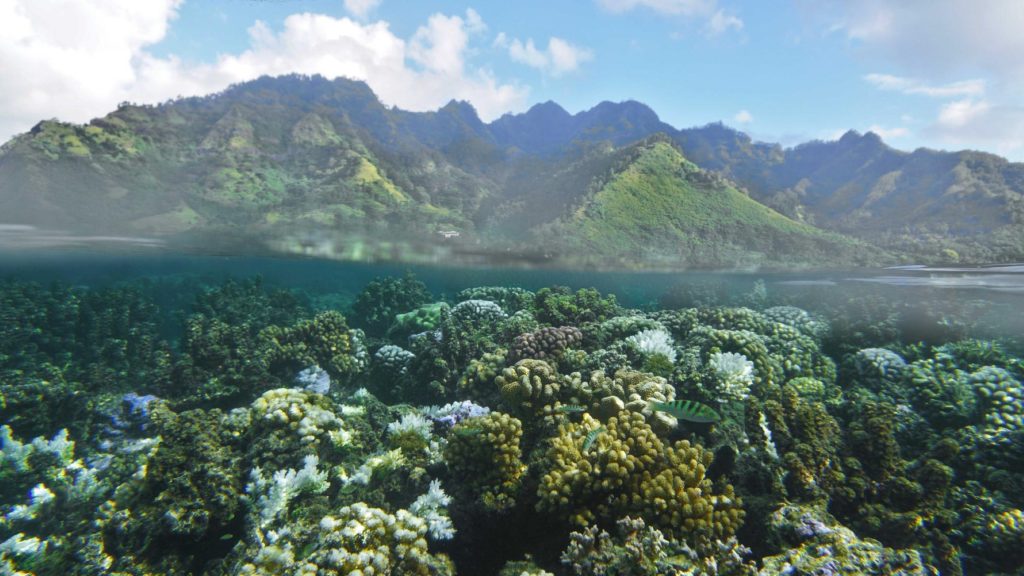
Researchers determined land use on tropical islands can shape water quality in lagoons and rainfall can be an important mediator for connections between land and lagoon waters.
These findings provide vital information for ecosystem stewards facing global reef decline. Their findings were published in Limnology and Oceanography .
“The links between land and sea are dynamic and complex, so it’s a topic that has remained elusive to science,” said study co-author and faculty member at Hawai‘i Institute of Marine Biology Mary Donovan in an announcement about the new research. “It took a dream team to pierce through that complexity. We brought together a group of interdisciplinary thinkers — from students to senior investigators — across at least five major institutions to tackle this immense challenge.”
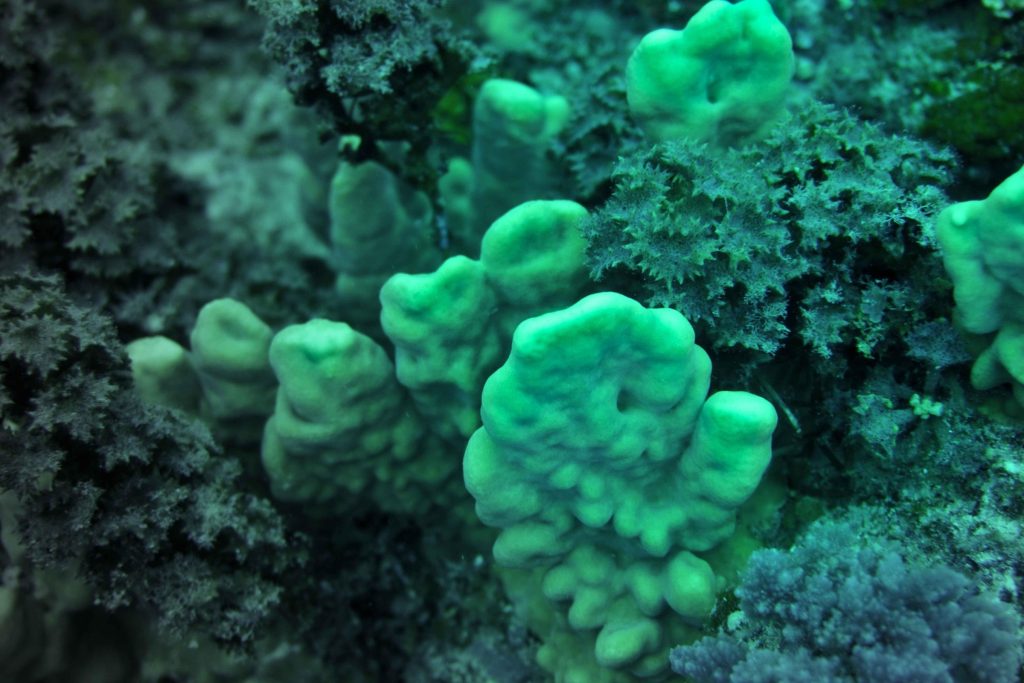
Scientists have long been concerned that with an increase in human-associated inputs from land to a coral reef, there is often a “phase shift” — a decline in coral accompanied by an increase in harmful algae.
This ecological shift is often linked to excessive nutrients and changes in the microbial community, but the precise connection between land use and coral reef health is poorly understood.
The team found through its investigation that nutrients in the lagoons off Mo‘orea, French Polynesia, were highest in concentration closer to the island and lower farther offshore.
“This indicates that at least some of the nutrients in Mo‘orea’s lagoons are coming from land,” said study lead author and postdoctoral scholar at University of California, Santa Barbara, Christian John in the announcement. “Additionally, we found that nutrients are higher in lagoon habitats that are downstream of heavily impacted watersheds. This tells us that human activities on land can play a large role in lagoon water quality, which is important for corals, fishes, and all of the other creatures that live in coral reef ecosystems.”
The new research also provides evidence that rain acts as a key mediator for the connections between land use and lagoon waters, potentially flushing more land-based nutrients to the lagoon and reef systems.
This suggests that as climate change alters regional rainfall patterns, the impacts of terrestrial factors on coral reefs might also be affected.
“Gravity is a unifying force in ecology, and islands are always uphill from the coral reefs that surround them,” John said.
Flow of nutrients throughout Pacific Island systems — from mountains to the ocean — is a central focus for coastal resource management.
Targeted strategies — such as reducing polluted runoff, developing buffers along rivers or actively mitigating soil loss at development sites — can significantly dampen the adverse effects of land use on lagoon water quality.
“The ahupua‘a, land use divisions that connect mauka to makai, are central to watershed management here in Hawai‘i,” said study co-author and associate professor in the School of Ocean and Earth Science and Technology Department of Oceanography Nyssa Silbiger in the announcement. “Understanding water quality is a fundamental challenge for everyone: it is key to assessing coral reef health and it is inseparable from human health.”