



Kauaʻi Community College is leading an innovative research project to determine the true economic value of a college degree for Garden Isle residents, with a critical focus on keeping graduates employed on Kauaʻi.
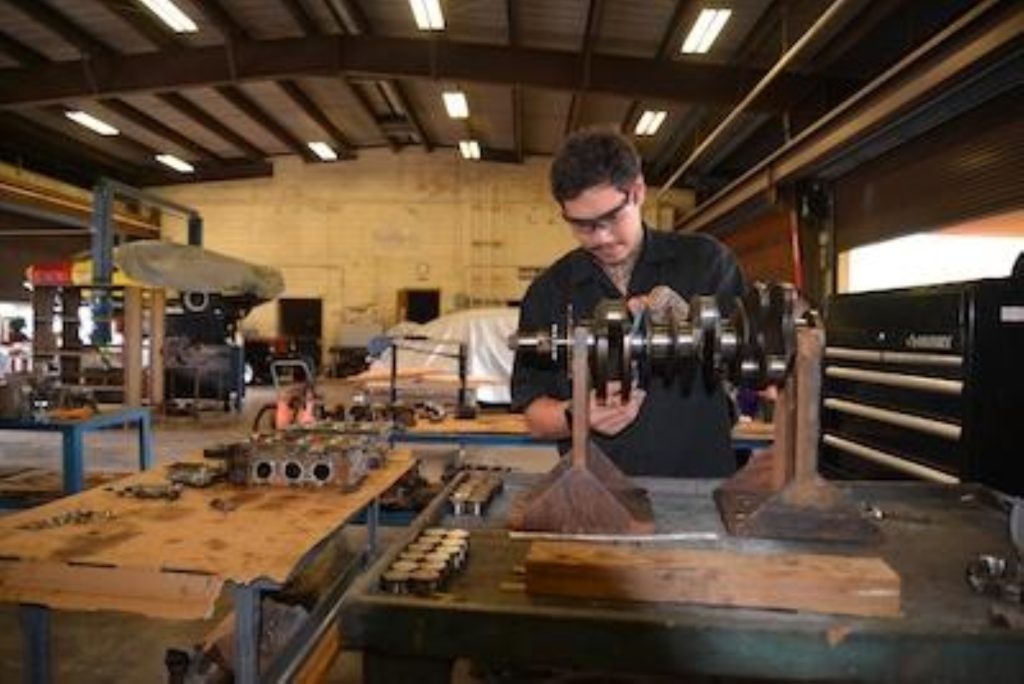
The goal: Understand how career and technical education pathways — such as carpentry, culinary, automotive and electrical technology — translate into livable wages, strengthening the local communit
College administrators and faculty — including former director of Institutional Effectiveness and University Center Valerie Barko, institutional researcher Pomai Burkart and professor Jonathan Kalk — are collaborating with the Value Data Collaborative to analyze state data.
They will look at whether graduates are making enough to recoup the cost of their education 1 and 3 years after graduation.
“Once we analyze our Kauaʻi data, we’ll be able to learn a lot about how our graduates are doing in the workforce,” explained Kalk in a Kauaʻi Community College release about the new research. “Are they finding work? Are they working in fields related to their degree? How much better off are they compared to high school graduates? In that way, we can measure the value of their education at the college.”
This is the first time such an endeavor to better understand labor market outcomes for career and technical education graduates has been undertaken at the community college.
Burkart initiated the project in 2024 as part of professional development.
“We’re looking at degrees and how they create income for folks,” said Burkart in the release. “It will show that if we go through Kauaʻi [Community College] and get a good job, we don’t have to leave Kauaʻi because we know that we can get a livable wage here. It shows our community the value in how we keep our communities.”
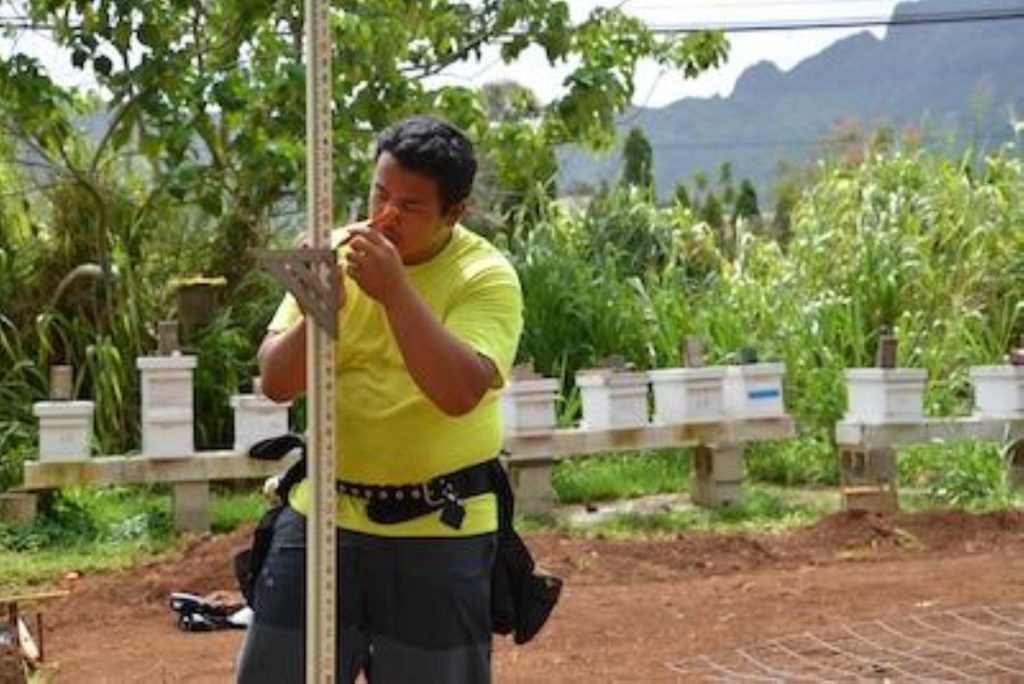
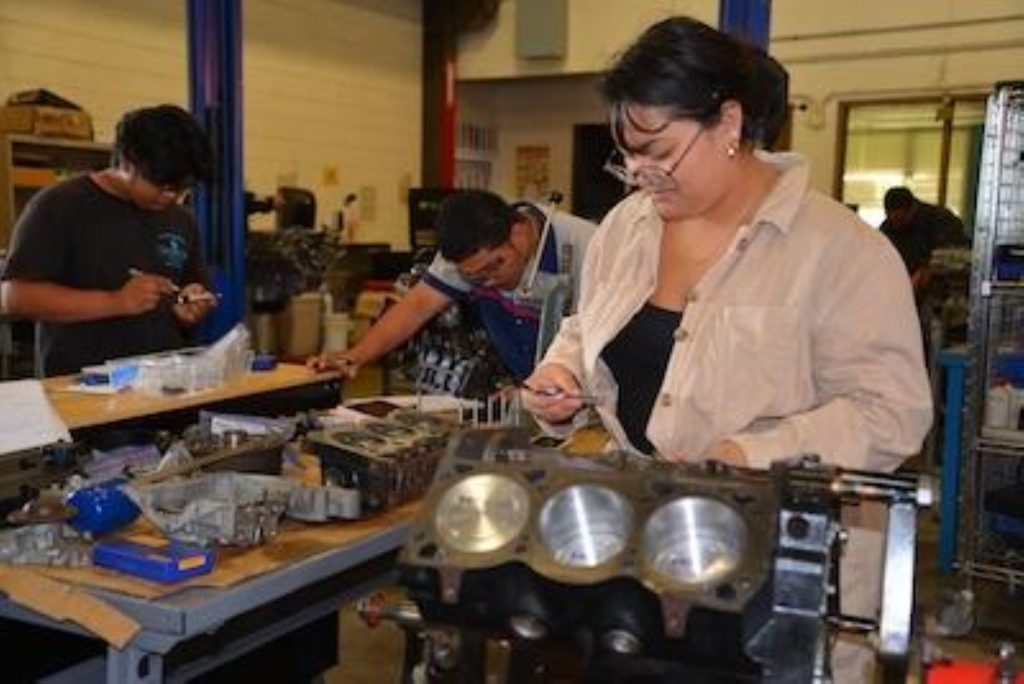
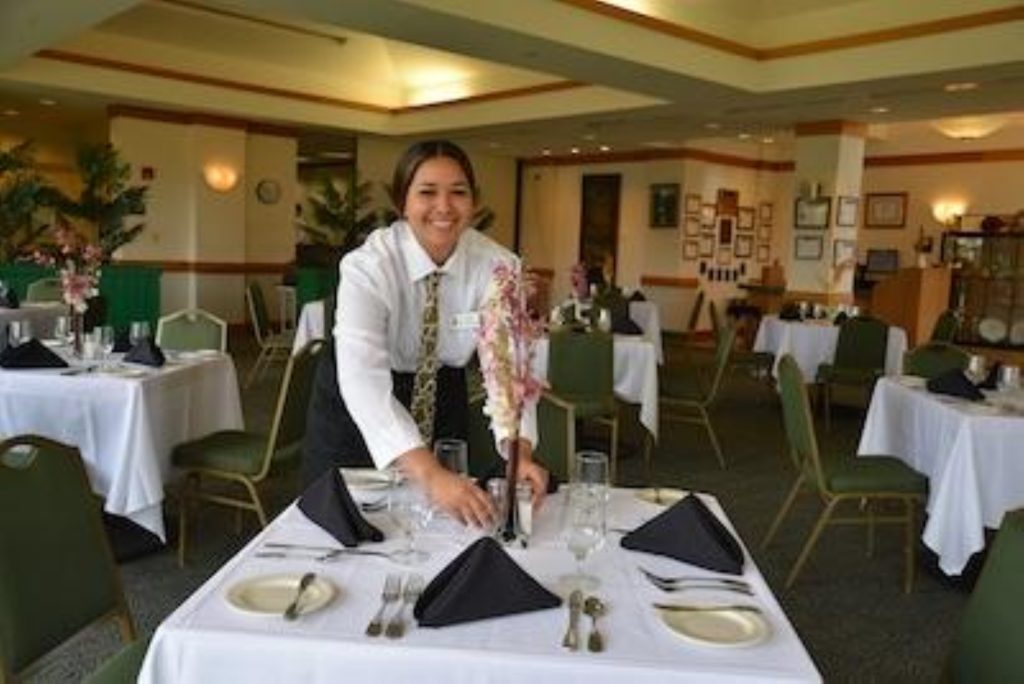
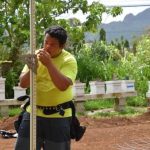
 A Kauaʻi Community College student. (Photo Courtesy: Kauaʻi Community College)
- A Kauaʻi Community College student. (Photo Courtesy: Kauaʻi Community College)
- A Kauaʻi Community College student. (Photo Courtesy: Kauaʻi Community College)


The analysis will also break down outcomes for different populations — such as Native Hawaiian students — and the findings will be shared with other University of Hawaiʻi community colleges.
The researchers anticipate having this valuable information by spring 2026.